Pre-Production Samples and How to Freeze a Quality Standard
The pre-production sample is the physical contract between buyer and factory, and it should be produced exactly as bulk will be.
The following sections cover the definition, the specification values, production control, testing and commercial impact.
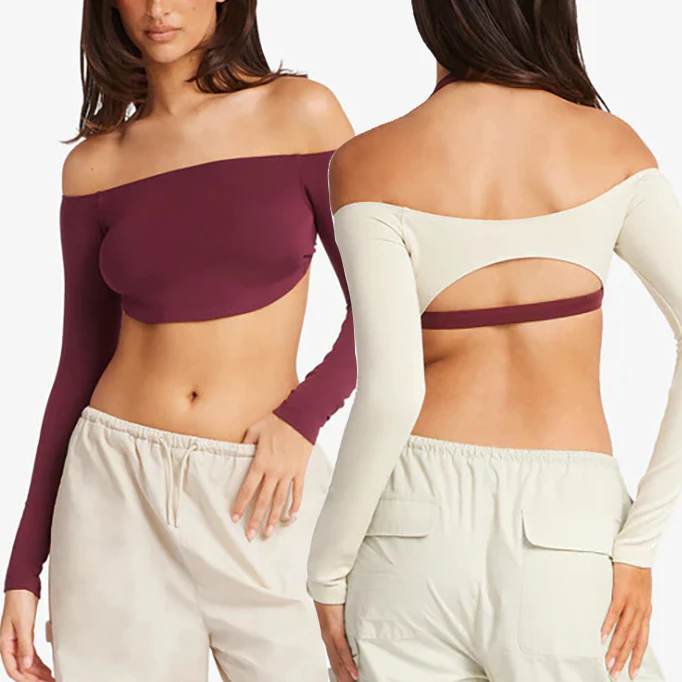
Why the sample matters
It confirms that the factory can make the product using production materials, machines and operators.
The difference between a good and a poor result is usually decided long before the first bulk roll is cut.
What to verify
Measurements, workmanship, colour, trims, packing and all previously approved comments must be reflected.
Specify the value on the finished fabric rather than on greige, because finishing changes almost every parameter measured.
- Confirm the numeric range and the test method in the specification
- Keep an approved physical standard at the machine
- Retest after the agreed care regime before shipping
Sign-off documentation
Approval should be written, dated and attached to the purchase order, with a copy kept by both parties.
Log adjustments and their reasons, which turns each production run into useful data for the next one.
Reference retention
Keep a sealed reference sample at the factory and at the buying office for the life of the order.
Where results are borderline, decide in advance whether to accept, re-test or negotiate, rather than arguing later.
- Request test reports on production fabric, not on development samples
- Verify the sampling plan and the number of specimens
- Store reports with roll or lot identification for traceability
Changes after approval
Any substitution of fabric, trim or process invalidates the approval and requires a new sample.
Ask for the cost of the requirement to be shown separately, so it can be weighed against the benefit it delivers.
Summary
Used as a checklist in development and again before shipment, the points above prevent the most common and most expensive failures.




