Leggings Waistband Engineering: Rolling, Gap and Comfort
The waistband is where legging fit succeeds or fails, and its behaviour depends on elastic placement, width and fabric stretch.
The practical guidance below is written for buyers and product developers who need a specification that a mill can meet.
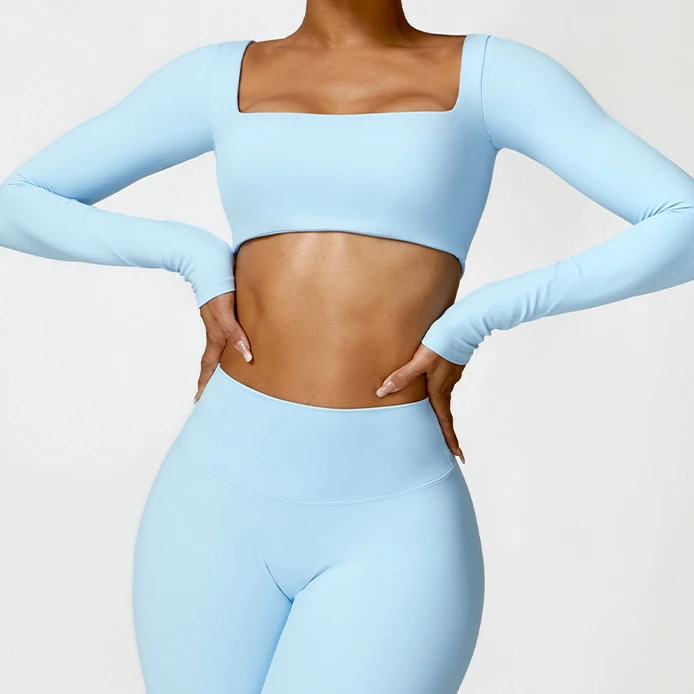
Why waistbands roll
Narrow bands, low elastic tension and fabric whose stretch direction mismatches the band all cause rolling.
It is one of the few areas where a modest investment in development removes a large volume of after-sales work.
Construction options
Self-fabric bands with hidden elastic, bonded double-layer bands and contoured bands each solve different problems.
Where a standard exists, name the standard number, since a value without a method cannot be verified by a third party.
- Request test reports on production fabric, not on development samples
- Verify the sampling plan and the number of specimens
- Store reports with roll or lot identification for traceability
Gap at the back
Curved band patterns and slightly higher back rise prevent the gap that appears when bending forward.
Set an in-process check at the point where the parameter is created, not at final inspection where correction is expensive.
Elastic specification
Elastic width, elongation and recovery under cycling determine how long the band keeps its grip.
Use a reference material alongside the sample so results can be interpreted if the laboratory changes.
- Agree tolerances in writing before the first sample is made
- Define the measurement condition and the direction measured
- Review the limit each season against real performance data
Fit validation
Test the band after repeated stretch cycles and washes, including squat and bend movements.
Document what is included in the price, including testing, packing and documentation, to keep comparisons fair.
Summary
The technical content is straightforward. The discipline lies in writing it down, testing it on production fabric and repeating the result on the next order.




