Softshell Jackets: Laminates, Bonding and Weather Protection
Softshell fabric balances stretch, wind resistance and breathability, and the lamination quality decides how long that balance lasts.
The following sections cover the definition, the specification values, production control, testing and commercial impact.
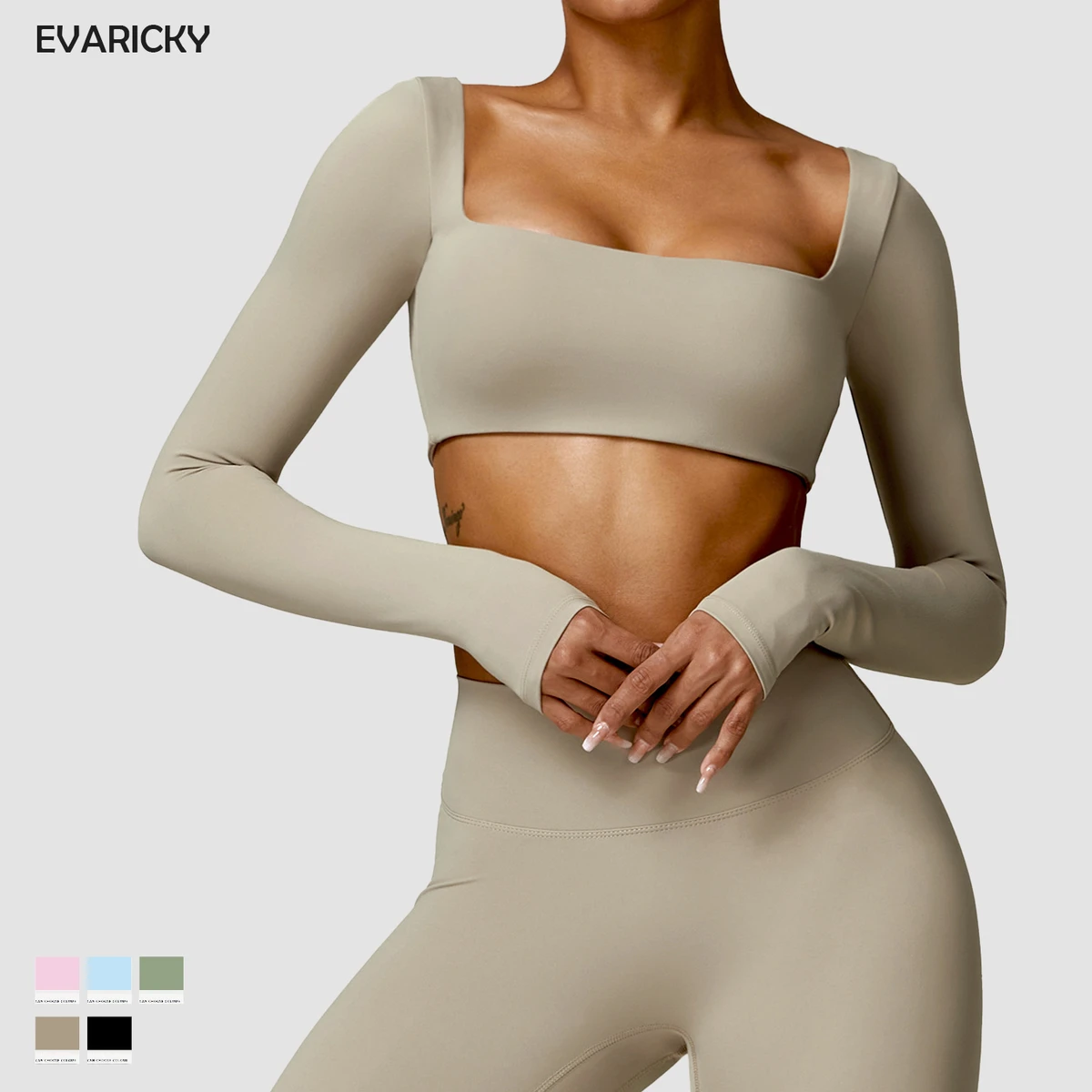
Construction options
Woven face with knit back, membrane laminates and bonded fleece backs each deliver a different balance.
Brands that treat it as a design input rather than a purchasing detail consistently achieve better sell-through.
Wind and breathability trade-off
Air permeability and moisture vapour transmission must be tuned to the intended activity level.
Fix the limits for the whole size range, not only for the middle size, as grading changes the numbers involved.
- Record settings and raw material lots for every approved production run
- Check in-process rather than relying on final inspection
- Escalate deviations the same day they appear
Lamination durability
Peel strength before and after washing predicts whether the layers stay together in real use.
Keep a physical standard at the machine so operators compare against the approved sample rather than memory.
Stretch for movement
Four-way stretch wovens let climbers and skiers move without the bulk of a hard shell.
Where a claim will be published, check that the test method supports the exact wording used in marketing.
- Ask for a separate price line for the requirement
- Confirm minimum quantities before committing the colourway
- Build one extra approval round into the calendar
Finishing and care
DWR, seam sealing and correct washing instructions preserve performance longer than any coating alone.
Document what is included in the price, including testing, packing and documentation, to keep comparisons fair.
Summary
Handled early, the requirement costs little and protects the launch date; handled late, it becomes an argument about responsibility.




