Double Knit and Scuba Fabrics: Body-Hugging Structure Without Transparency
Dense double knits give the sculpted, opaque look that bodycon activewear relies on, provided recovery and weight are specified correctly.
This guide explains the underlying principle, the numbers that matter and the checks that keep results consistent.
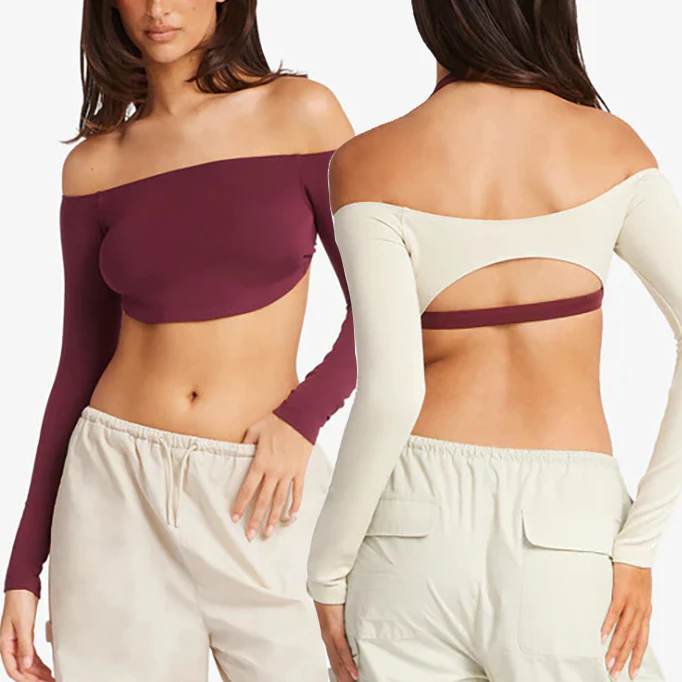
Construction and density
Two interlocked layers knitted on a double-bed machine create a thick, dense fabric with limited see-through risk.
It also reduces the risk of a mid-season change, which is where both cost and calendar damage usually originate.
Fit and recovery
Higher elastane content is essential, because thick structures need more force to return to shape after stretching.
Add the value to the pre-production sample approval sheet so it is checked before bulk rather than after shipment.
- Confirm the numeric range and the test method in the specification
- Keep an approved physical standard at the machine
- Retest after the agreed care regime before shipping
Weight bands and use
240 to 340 GSM suits leggings, skirts and dresses, with heavier versions used for jacket panels.
Where several lines produce the same style, align settings across lines before the order starts.
Heat and comfort
Density reduces breathability, so ventilation zones or lighter side panels improve wearability.
Share the results with the mill, since transparency usually shortens the path to a workable solution.
- Request test reports on production fabric, not on development samples
- Verify the sampling plan and the number of specimens
- Store reports with roll or lot identification for traceability
Quality checks
Inspect for needle lines, surface scuffing and dimensional stability after setting and washing.
Plan the calendar with the approval steps in mind, since late approvals delay production regardless of capacity.
Summary
Used as a checklist in development and again before shipment, the points above prevent the most common and most expensive failures.




