Tennis and Pickleball Skirts: Stretch, Modesty and Print
Racquet skirts combine performance stretch with a fashion look, and the inner short is where most quality complaints originate.
The practical guidance below is written for buyers and product developers who need a specification that a mill can meet.
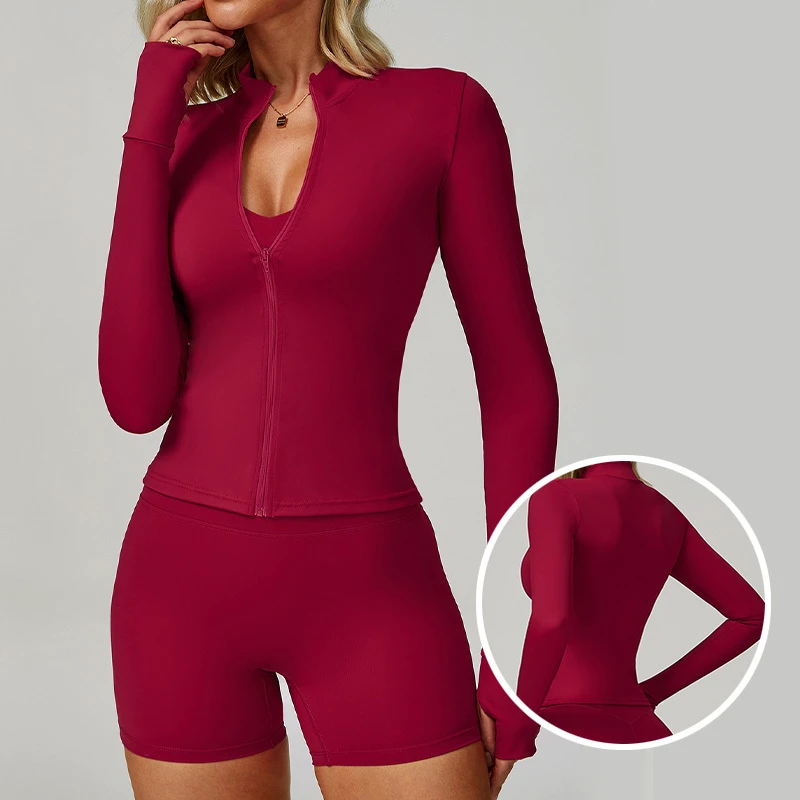
Fabric choice
Four-way stretch knits or stretch wovens at 180 to 240 GSM give freedom of movement with a clean silhouette.
For most programmes the decision is taken during development, when changing the specification still costs nothing more than one sampling round.
Inner short construction
Integrated compression shorts must sit flat, stay in place and offer adequate opacity.
Include the requirement in the purchase order, because that is the document both parties rely on commercially.
- Record settings and raw material lots for every approved production run
- Check in-process rather than relying on final inspection
- Escalate deviations the same day they appear
Pleats and shaping
Knife pleats, box pleats and bonded pleats each behave differently after washing, so test the desired look.
Keep a physical standard at the machine so operators compare against the approved sample rather than memory.
Print and colour
All-over sublimation prints suit polyester, while woven styles are usually piece dyed.
Test at least three pieces per lot, because a single sample can easily fall on the good side of the average.
- Ask for a separate price line for the requirement
- Confirm minimum quantities before committing the colourway
- Build one extra approval round into the calendar
Comfort and durability
Check waistband recovery, hem stability and colour fastness to perspiration and light.
Compare quotations on the same specification, otherwise the cheapest offer usually reflects a lower requirement.
Summary
Handled early, the requirement costs little and protects the launch date; handled late, it becomes an argument about responsibility.




