Blend Ratio Selection: Balancing Comfort, Durability and Cost
Blend ratios decide moisture behaviour, durability and price, and small changes propagate through the entire supply chain.
The following sections cover the definition, the specification values, production control, testing and commercial impact.
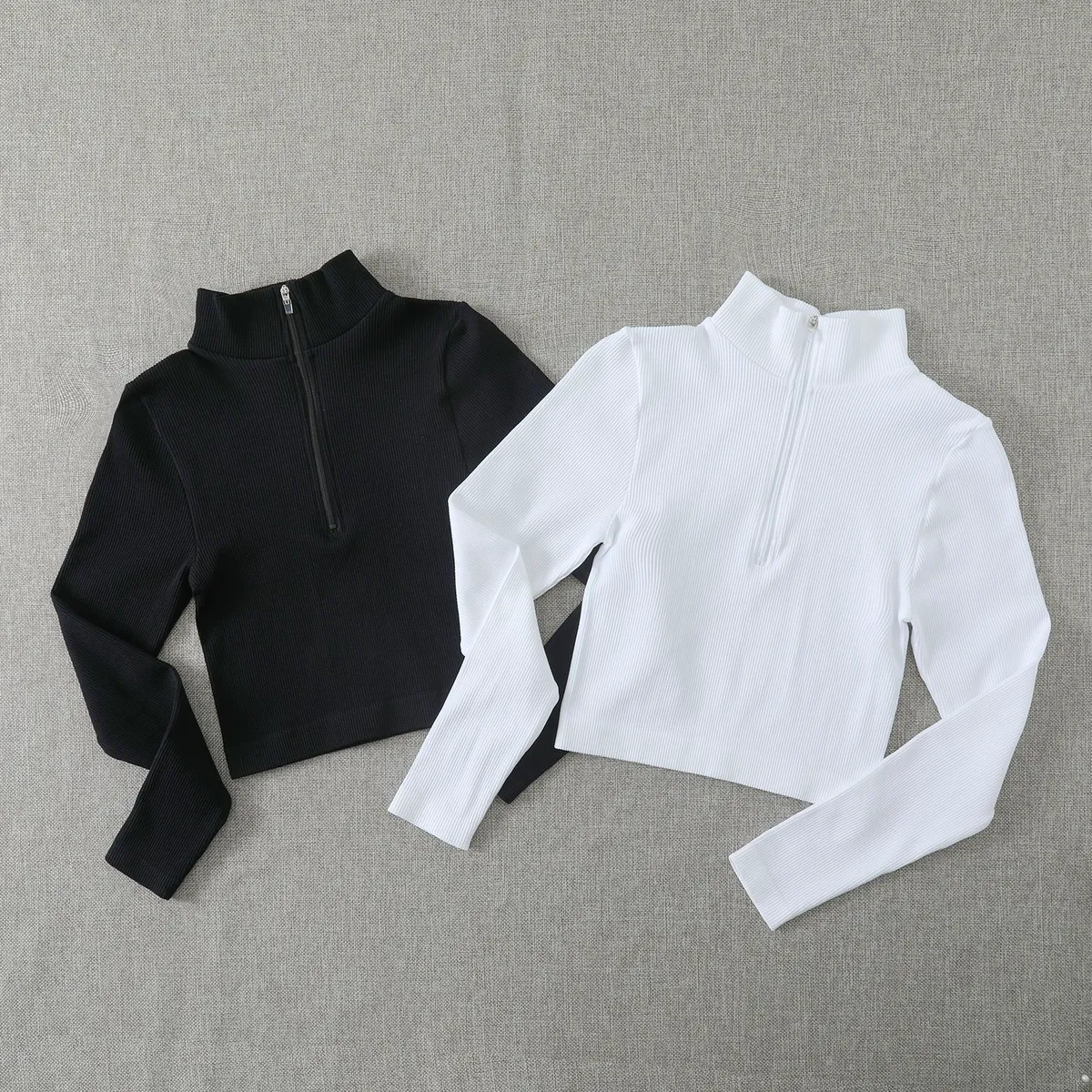
Role of each fibre
Polyester contributes strength and quick drying, cotton adds comfort, nylon adds softness and elastane adds stretch.
Buyers who set expectations at the development stage spend far less time resolving complaints after the season has started.
Common activewear blends
Polyester and spandex for performance, cotton and polyester for lifestyle, nylon and spandex for premium softness.
Write the requirement into the fabric specification as a numeric range with the test method named, so buyer and mill measure the same thing.
- Ask for a separate price line for the requirement
- Confirm minimum quantities before committing the colourway
- Build one extra approval round into the calendar
Effect on processing
Blends containing cellulose and synthetic fibres need compromise dyeing conditions, which affects shade and cost.
Where several lines produce the same style, align settings across lines before the order starts.
Tolerance and declaration
Declared fibre content carries a tolerance, but exceeding it can break labelling rules in regulated markets.
Test at least three pieces per lot, because a single sample can easily fall on the good side of the average.
- Confirm the numeric range and the test method in the specification
- Keep an approved physical standard at the machine
- Retest after the agreed care regime before shipping
Testing implications
Blend ratio affects shrinkage, pilling, wicking and fastness, so approval tests must be run on the actual blend.
Discuss the minimum order quantity with the yarn or process supplier before committing the style to the range.
Summary
A clear specification, a trained operator and a documented test together remove most of the risk from this part of the programme.




