Mélange and Heather Yarns: Colour Effects Built Into the Fabric
Mélange effects come from blending differently dyed or coloured fibres, and the visual result depends as much on spinning as on dyeing.
This article sets out what the requirement involves, how to specify it and how to verify it before bulk production.
How mélange is created
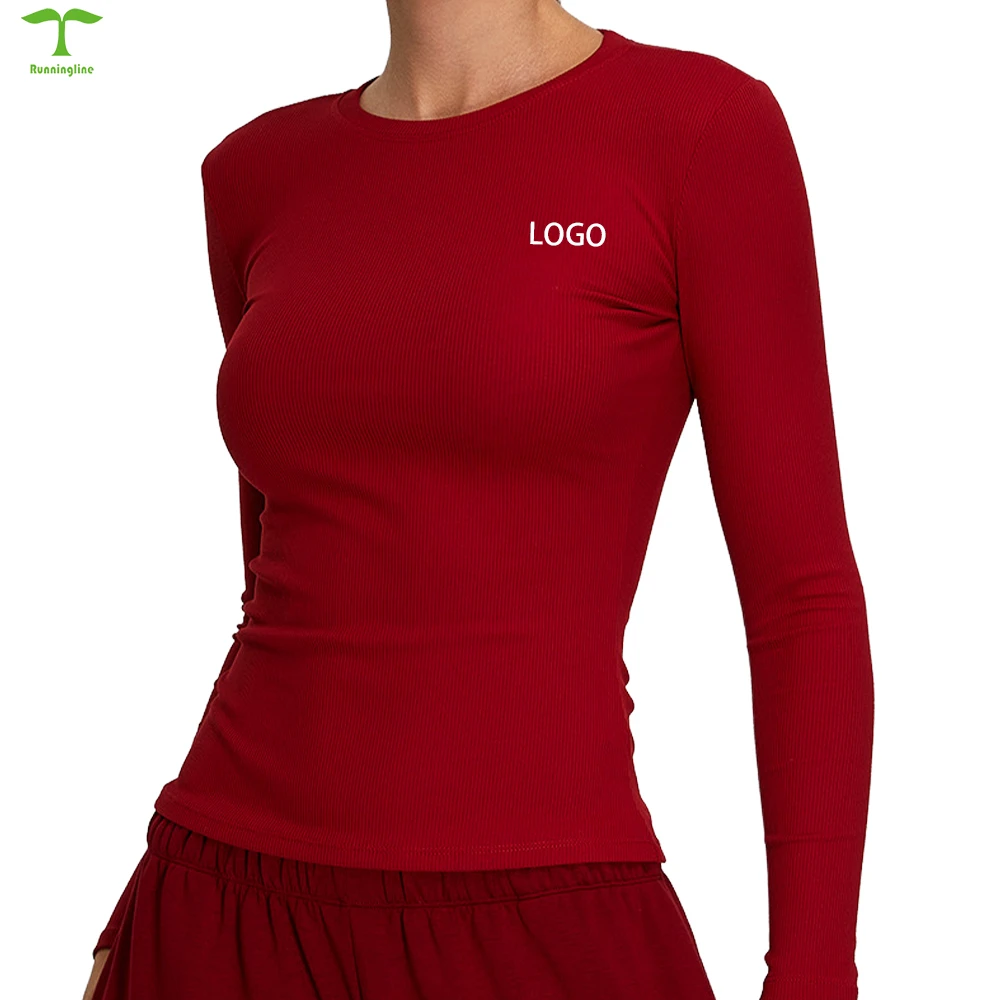
Coloured and white fibres are blended before spinning, so the fabric carries flecks and tonal variation instead of a flat shade.
Well-handled, this becomes a selling point that customers can actually perceive rather than a technical footnote.
Effect intensity control
Blend ratio, fibre denier and carding quality determine how pronounced or subtle the effect appears.
Fix the limits for the whole size range, not only for the middle size, as grading changes the numbers involved.
- Request test reports on production fabric, not on development samples
- Verify the sampling plan and the number of specimens
- Store reports with roll or lot identification for traceability
Spinning requirements
Consistent fibre length and good opening during blending prevent streaks and patches in the spun yarn.
Where several lines produce the same style, align settings across lines before the order starts.
Knitting and finishing effects
Brushing, peaching and washing change how the melange reads, so the effect must be assessed on the finished fabric.
Verify with an accredited test on production fabric rather than a development sample, and repeat the test after laundering.
- Agree tolerances in writing before the first sample is made
- Define the measurement condition and the direction measured
- Review the limit each season against real performance data
Applications and benefits
Heather greys and mélange blues hide surface soiling well and add perceived texture to jersey and fleece.
Discuss the minimum order quantity with the yarn or process supplier before committing the style to the range.
Summary
The technical content is straightforward. The discipline lies in writing it down, testing it on production fabric and repeating the result on the next order.