
Capillary Wicking Structure for Cycling Jerseys: Compliance and Testing Checklist
Odour control is a performance claim, and in most markets a biocide claim as well. This is the documentation we prepare for cycling jerseys built with Capillary Wicking Structure.
What is being claimed
The claim is defined precisely: moisture management class above 4 with one-way transport index above 300 measured by AATCC 195 moisture management. Wording on the product page, the hangtag and the tech pack must match, because vague claims are the ones regulators question. The sweat zone for cycling jerseys is the back panel under the pockets, which is where the treatment has to sit.
Biocide and chemical rules
Capillary Wicking Structure uses channelled yarn cross-section with a plated inner face. Active substances must be registered for textile use in the destination market, and the mill must be able to name the substance and its registration status. Every lot is measured against AATCC 195 moisture management before the fabric is released for cutting.
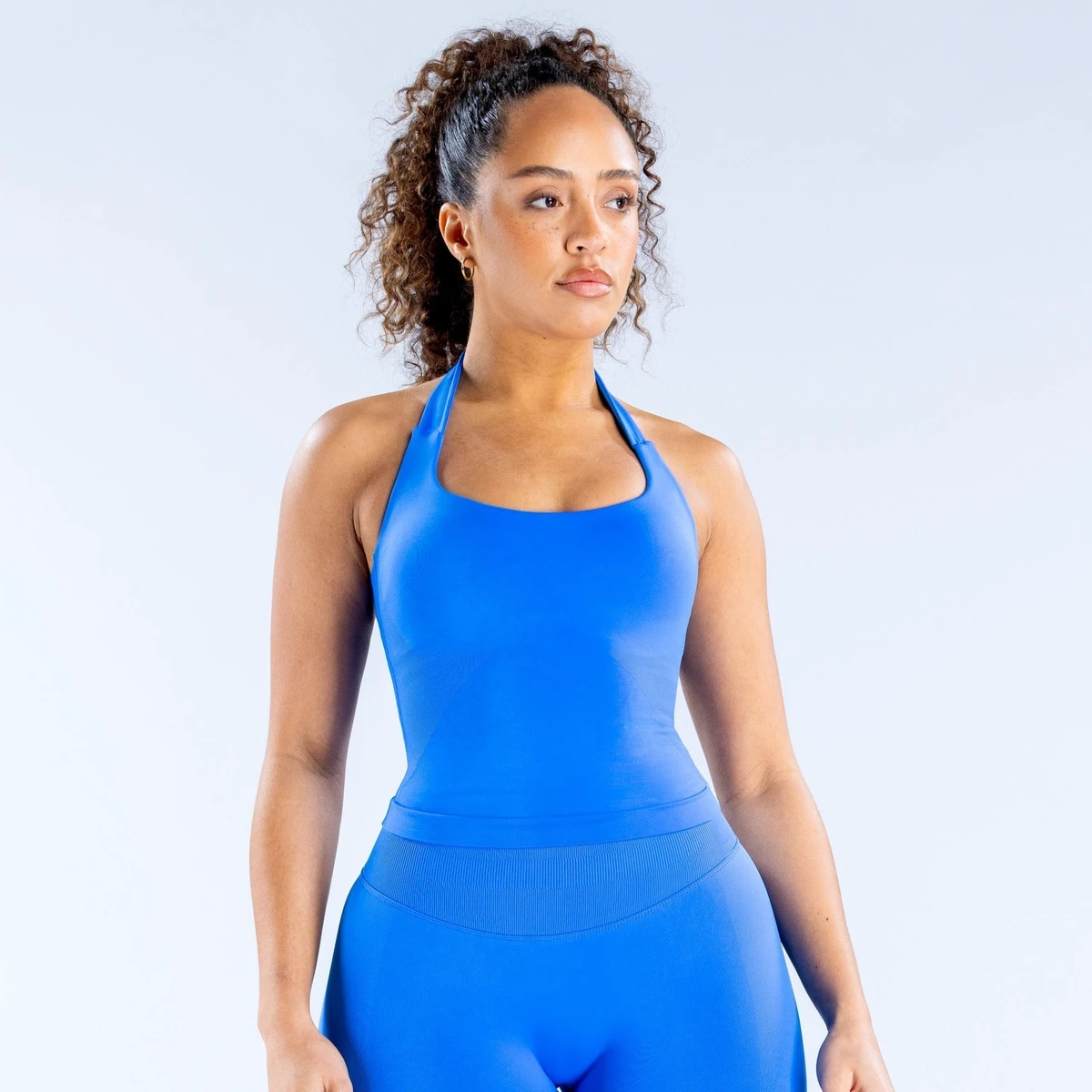
Product safety certifications
Finished fabric is supplied to OEKO-TEX Standard 100 requirements, with ZDHC-conformant inputs and restricted substance testing available per lot. Retailer restricted substance lists are checked before bulk dyeing, not after. Cost impact is a small yarn and knitting premium, usually under five cents, which is usually recovered through fewer returns across a season.
Performance verification
Each lot is tested to AATCC 195 moisture management and measured after permanent, because it is construction rather than chemistry. Reports carry the lot number, the standard revision and the conditioning details, so results are reproducible. Wear trials were run under road and indoor cycling rather than in the laboratory alone.
Records to keep
Keep the test report, the technical data sheet for the active agent and the care wording stating avoid fabric softener, which blocks the capillaries. Together they let you answer a customer, a retailer or a regulator with evidence. The care label states avoid fabric softener, which blocks the capillaries, and that wording is the condition behind permanent, because it is construction rather than chemistry.




