Built-In Antibacterial Yarn for Running Tees: Comparison with Standard Fabric
We tested short sleeve running tees built with Built-In Antibacterial Yarn against the same style in a standard untreated knit. The difference is measurable, and it is not evenly spread across the garment.
What was compared
Two fabrics identical in lightweight single jersey and 110-150 GSM, one with the odour-control system and one without. Both were worn for road, trail and treadmill running and washed under the same conditions. The sweat zone for short sleeve running tees is the underarm and the lower back panel, which is where the treatment has to sit.
Odour performance
The treated fabric reached above 99% bacterial reduction retained after 50 washes against JIS L 1902 antibacterial test. The untreated control failed the same test outright, which is expected: plain synthetic knits give bacteria exactly the surface they prefer. Every lot is measured against JIS L 1902 antibacterial test before the fabric is released for cutting.
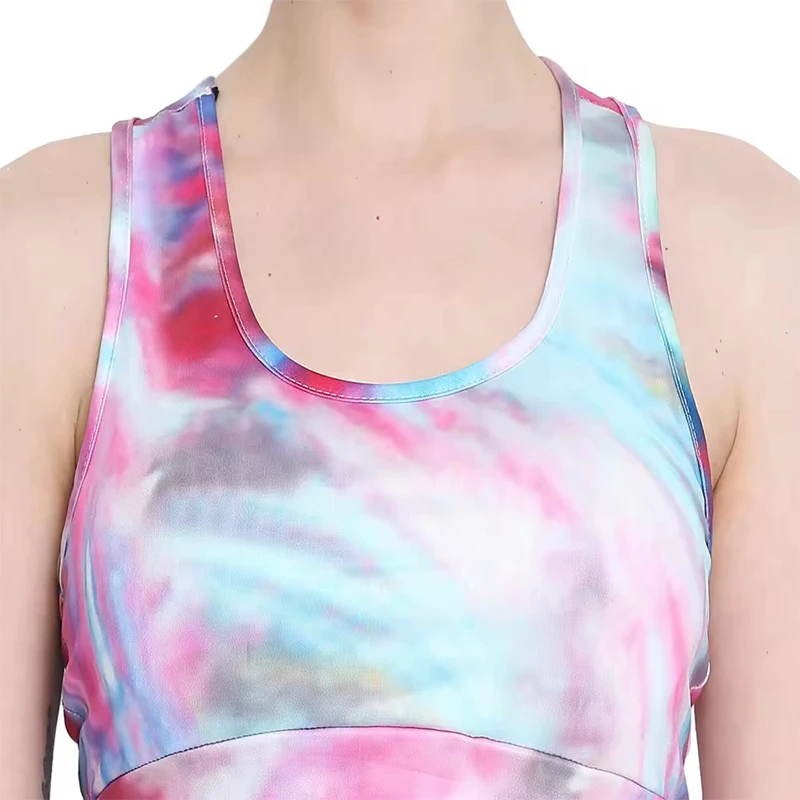
Where the difference shows
The gap is largest at the underarm and the lower back panel. That is where sweat collects first, and it is the place customers describe when they complain about smell. Cost impact is a yarn premium of 6-10%, which is usually recovered through fewer returns across a season.
Comfort and durability trade-off
Hand, stretch and cover were unchanged, because the system does not alter the knit. The only real restriction is care: standard home laundering with no special requirement. Wear trials were run under road, trail and treadmill running rather than in the laboratory alone.
Which to choose
Choose the treated fabric where short sleeve running tees is worn hard and washed lightly. For occasional wear, the extra a yarn premium of 6-10% is harder to justify, which is why we normally apply it selectively by product tier. The care label states standard home laundering with no special requirement, and that wording is the condition behind 50 washes or more.