
Bamboo Charcoal Yarn for Training Shorts: Development Timeline
From first enquiry to repeat bulk, this is the typical path for training shorts with a knit liner built with Bamboo Charcoal Yarn. The steps matter more than the calendar, because skipping one is how odour claims fail later.
Week one: brief and fabric choice
We agree the sweat zone, the use case of gym circuits and outdoor training and the target of adsorption of 70-85% of the odour molecules in the test gas. Fabric is proposed at woven body with a plated knit liner and 130-170 GSM body with a 90-120 GSM liner with Bamboo Charcoal Yarn as the odour-control route. The sweat zone for training shorts with a knit liner is the liner and the waistband, which is where the treatment has to sit.
Week two to three: laboratory validation
Laboratory knits are produced and tested to JIS L 1902 antibacterial test. If the result is short, add-on level or yarn type is adjusted before any garment is cut. Every lot is measured against JIS L 1902 antibacterial test before the fabric is released for cutting.
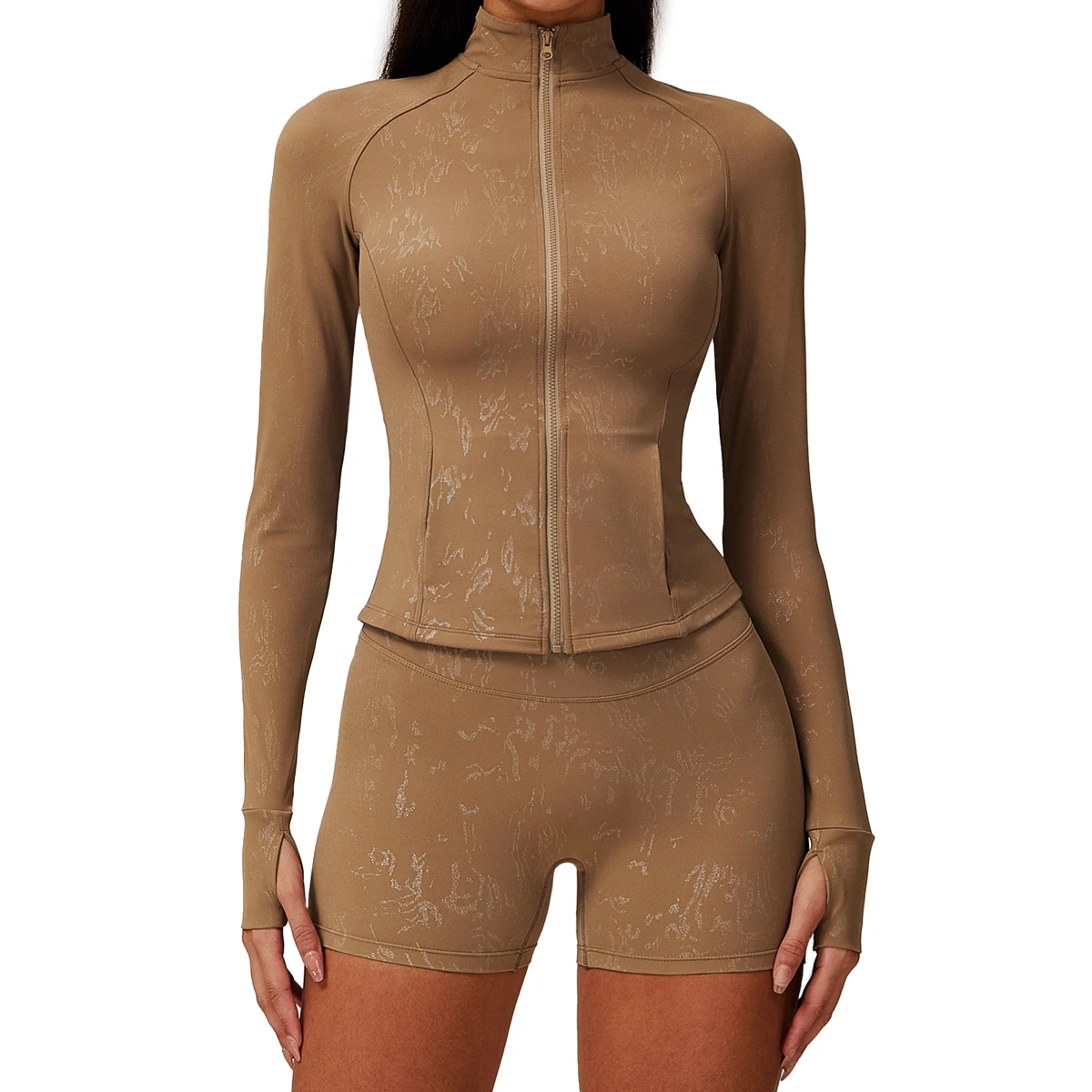
Week four to five: wear trial
Samples are worn for gym circuits and outdoor training and assessed at the liner and the waistband by a small panel. Laboratory data predicts performance, but wear trials find the problems customers would report. Cost impact is a yarn premium of 8-12%, which is usually recovered through fewer returns across a season.
Week six to seven: pre-production
The recipe is fixed, wash durability is confirmed at permanent, because the additive sits inside the fibre, and care wording is written as standard home laundering, since nothing is applied to the surface. Colour and hand are approved against the same standard as the untreated base fabric. Wear trials were run under gym circuits and outdoor training rather than in the laboratory alone.
Bulk and repeats
Bulk ships with a test report per lot. Because the recipe is documented, the second order behaves like the first, which is the part most odour-control programmes get wrong. The care label states standard home laundering, since nothing is applied to the surface, and that wording is the condition behind permanent, because the additive sits inside the fibre.




