Drape and Shape Loss Solutions for Leggings: Comparison of Options
Three working routes exist for drape and shape loss in high-waist leggings. This page compares them by performance, cost and risk.
Option A: change the yarn
Changing fibre composition usually gives the largest improvement. It costs more and needs a new minimum quantity, but power to hold 4-8 kPa at 30% extension is easier to hold over time. Because the knee and seat areas flex thousands of times a session, target checks are made on a worn sample rather than flat fabric alone.
Option B: change the structure
Adjusting knit density is cheaper and faster. The trade-off is a narrower operating window, so process control becomes more important. Keep ISO 13934-1 modulus at 30% extension named in the tech pack so every lot is measured the same way.
Option C: change the finish
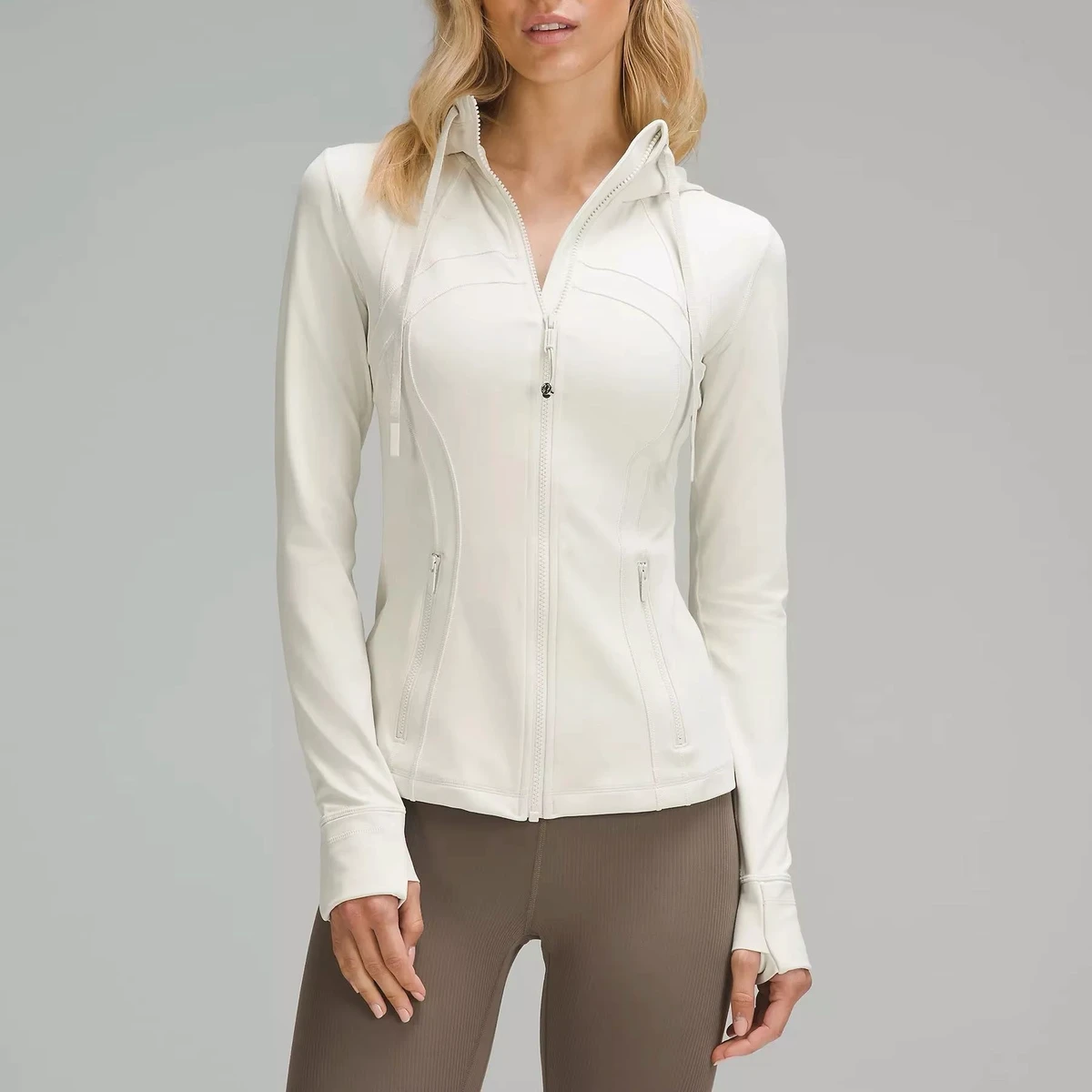
Finishing delivers fast results and can be added late. The risk is wash durability, so check performance after 10 and 20 washes. Where high-waist leggings is worn for studio, running and strength sessions, set tolerances around that range of movement.
Cost comparison
Indicative cost impact: higher elastane raises fabric cost by 6-9%. Testing adds little, while the cost of a rejected shipment is far higher. Any change to interlock or single jersey around 220-260 GSM requires re-testing against power to hold 4-8 kPa at 30% extension before bulk is released.
Recommended route
For studio, running and strength sessions the practical route is normally raise elastane to 22-25% when needed combined with avoid heavy calendering on brushed fabric. Confirm with ISO 13934-1 modulus at 30% extension before releasing bulk. Past reports from ISO 13934-1 modulus at 30% extension help the mill reproduce the same recipe on the next order.