
Visible Sweat Marks Solutions for Leggings: Specification Checklist
Use this checklist to write visible sweat marks requirements for high-waist leggings into a tech pack that a mill can quote against.
Targets to fix before sampling
Write absorbency under 1 second on the inner face into the pack. Mills quote against the number on the page, so vague language leads to variable results. Because the knee and seat areas flex thousands of times a session, target checks are made on a worn sample rather than flat fabric alone.
Fabric construction
State structure, composition and finish together. Typical options for this build are interlock or single jersey around 220-260 GSM, adjusted to the performance level required. Keep AATCC 79 absorbency named in the tech pack so every lot is measured the same way.
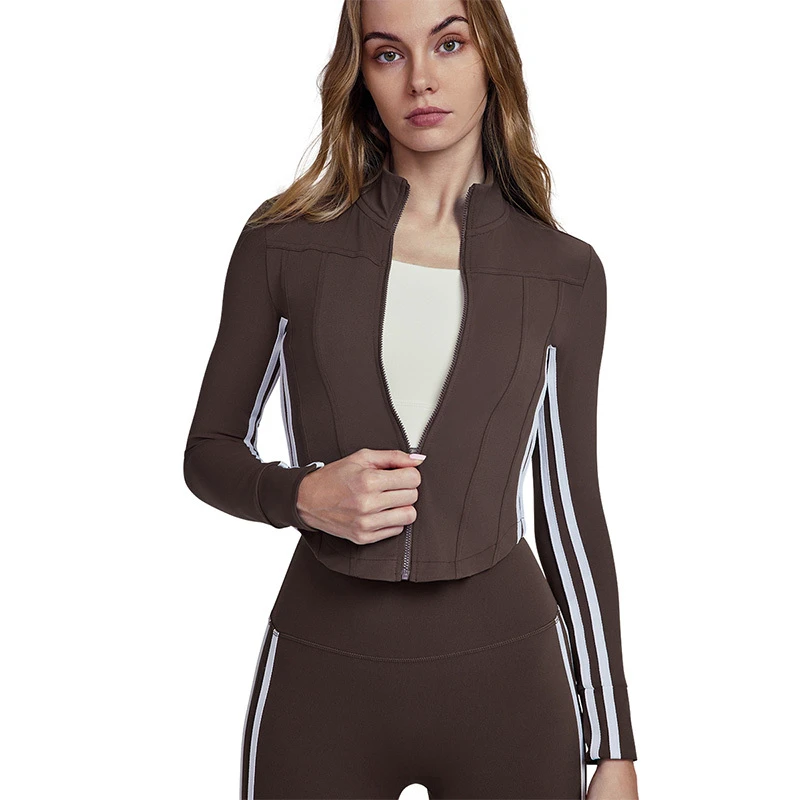
Seam and trim requirements
The problem shows as sweat becomes visible across the outer surface. Construction choices either remove the cause or hide it for a few washes, so specify the method instead of the outcome. Where high-waist leggings is worn for studio, running and strength sessions, set tolerances around that range of movement.
Laboratory to request
Ask for AATCC 79 absorbency on every shade and every size run, not only the approval sample. Any change to interlock or single jersey around 220-260 GSM requires re-testing against absorbency under 1 second on the inner face before bulk is released.
Acceptance criteria
Agree the limit before sampling starts. Re-testing after disagreement costs more than setting the target clearly at the beginning. Past reports from AATCC 79 absorbency help the mill reproduce the same recipe on the next order.




