
Compression Decay Solutions for Swimwear: Specification Checklist
Use this checklist to write compression decay requirements for swimwear into a tech pack that a mill can quote against.
Targets to fix before sampling
Write above 90% elastic recovery after 20000 cycles into the pack. Mills quote against the number on the page, so vague language leads to variable results. Because the fabric stays wet, stretched and chemically exposed for hours, target checks are made on a worn sample rather than flat fabric alone.
Fabric construction
State structure, composition and finish together. Typical options for this build are nylon and polyester knits at 190-230 GSM with high elastane, adjusted to the performance level required. Keep ISO 13934-1 tensile with cyclic extension named in the tech pack so every lot is measured the same way.
Seam and trim requirements
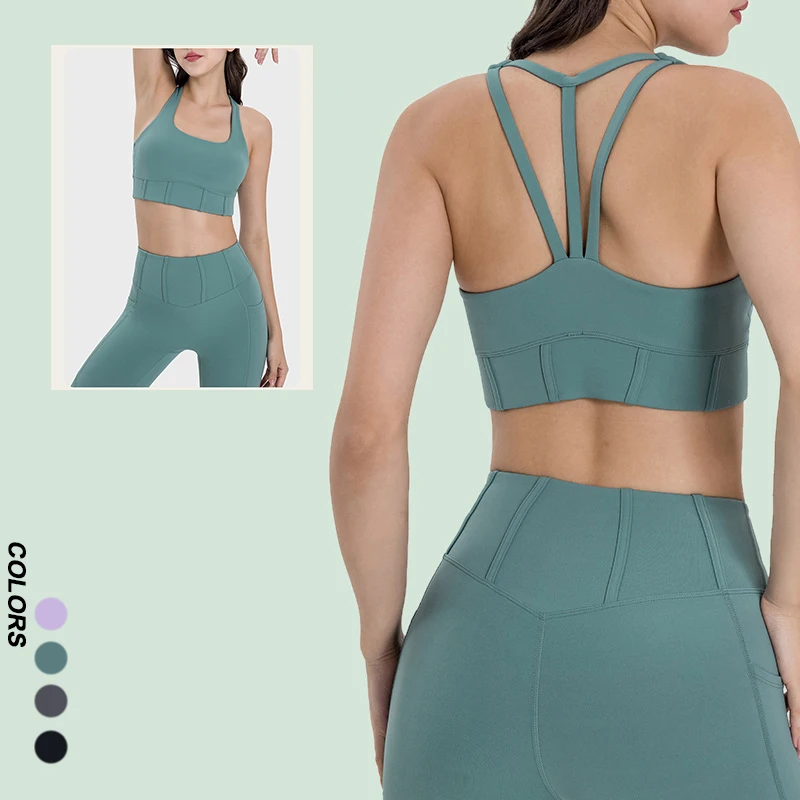
The problem shows as the garment loses its support value over the wearing life. Construction choices either remove the cause or hide it for a few washes, so specify the method instead of the outcome. Where swimwear is worn for pool training and beach use, set tolerances around that range of movement.
Laboratory to request
Ask for ISO 13934-1 tensile with cyclic extension on every shade and every size run, not only the approval sample. Any change to nylon and polyester knits at 190-230 GSM with high elastane requires re-testing against above 90% elastic recovery after 20000 cycles before bulk is released.
Acceptance criteria
Agree the limit before sampling starts. Re-testing after disagreement costs more than setting the target clearly at the beginning. Past reports from ISO 13934-1 tensile with cyclic extension help the mill reproduce the same recipe on the next order.




