
Heat Build-Up Solutions for Yoga Sets: Sourcing Checklist for Buyers
Questions to put to any mill supplying coordinated yoga sets with heat build-up specified.
Capability questions
Ask for the test equipment list and the standards used. The relevant method here is AATCC 195 moisture management tester, and the mill should be able to show recent reports. Because long holds put sustained rather than shock load on the fabric, target checks are made on a worn sample rather than flat fabric alone.
Documentation
Request the technical data sheet, composition certificate and previous results for moisture management class above 3 on AATCC 195. Consistent paperwork usually reflects consistent process control. Keep AATCC 195 moisture management tester named in the tech pack so every lot is measured the same way.
Mill visit checks
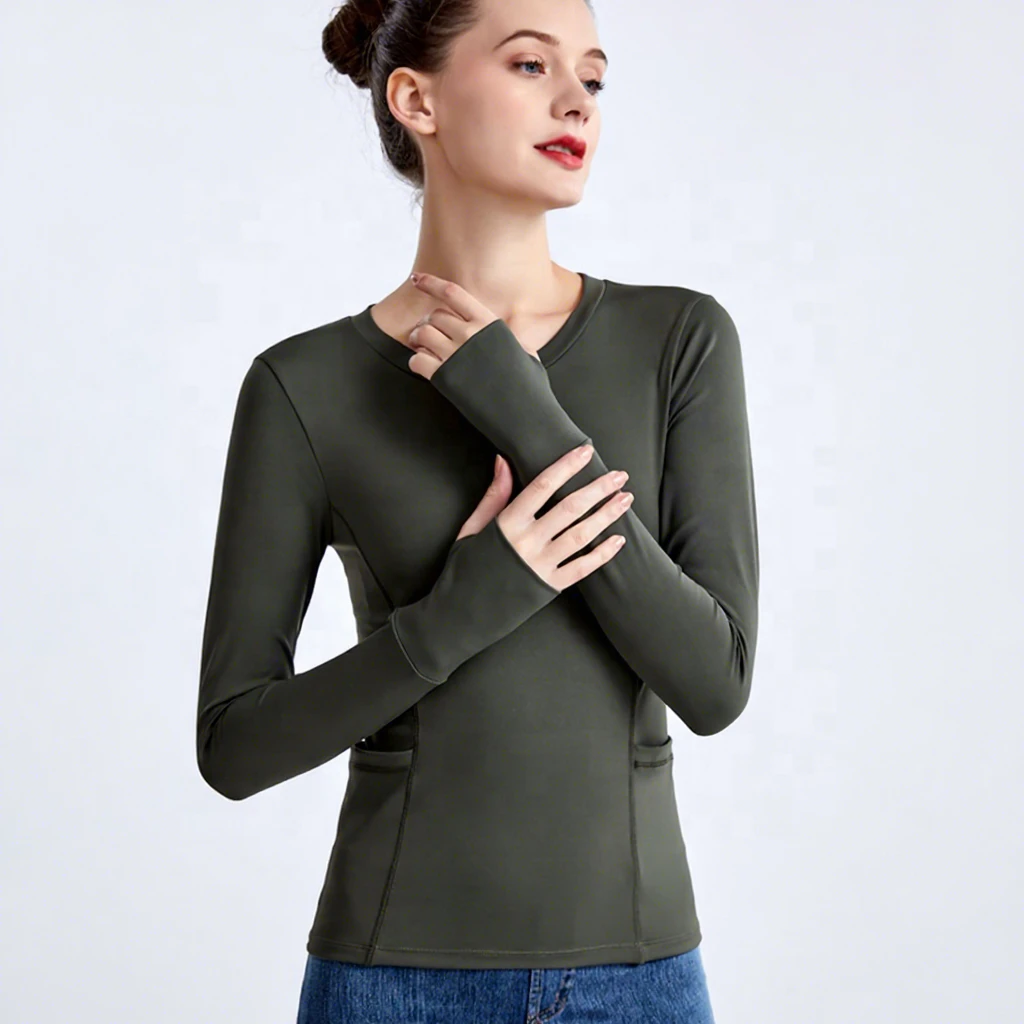
Look at finishing conditions and testing frequency. Problems such as the garment traps more heat than the activity tolerates often come from process drift rather than design. Where coordinated yoga sets is worn for studio practice and everyday wear, set tolerances around that range of movement.
Commercial terms
Confirm minimum quantity, lead time and the cost impact noted as mesh zoning adds cutting and sewing steps before development work starts. Any change to soft brushed jersey with 4-way stretch requires re-testing against moisture management class above 3 on AATCC 195 before bulk is released.
Warning signs
Be careful where samples perform differently from bulk, or where reports are only issued on request. Past reports from AATCC 195 moisture management tester help the mill reproduce the same recipe on the next order.




