Softshell Water-Repellent Fabric in Outdoor Sportswear: From Ski Shells to Trail Running
Where softshell water-repellent fabric performs best in an outdoor range: the garments, weights and constructions that suit ski, mountaineering, hiking, trail running and cycling use.
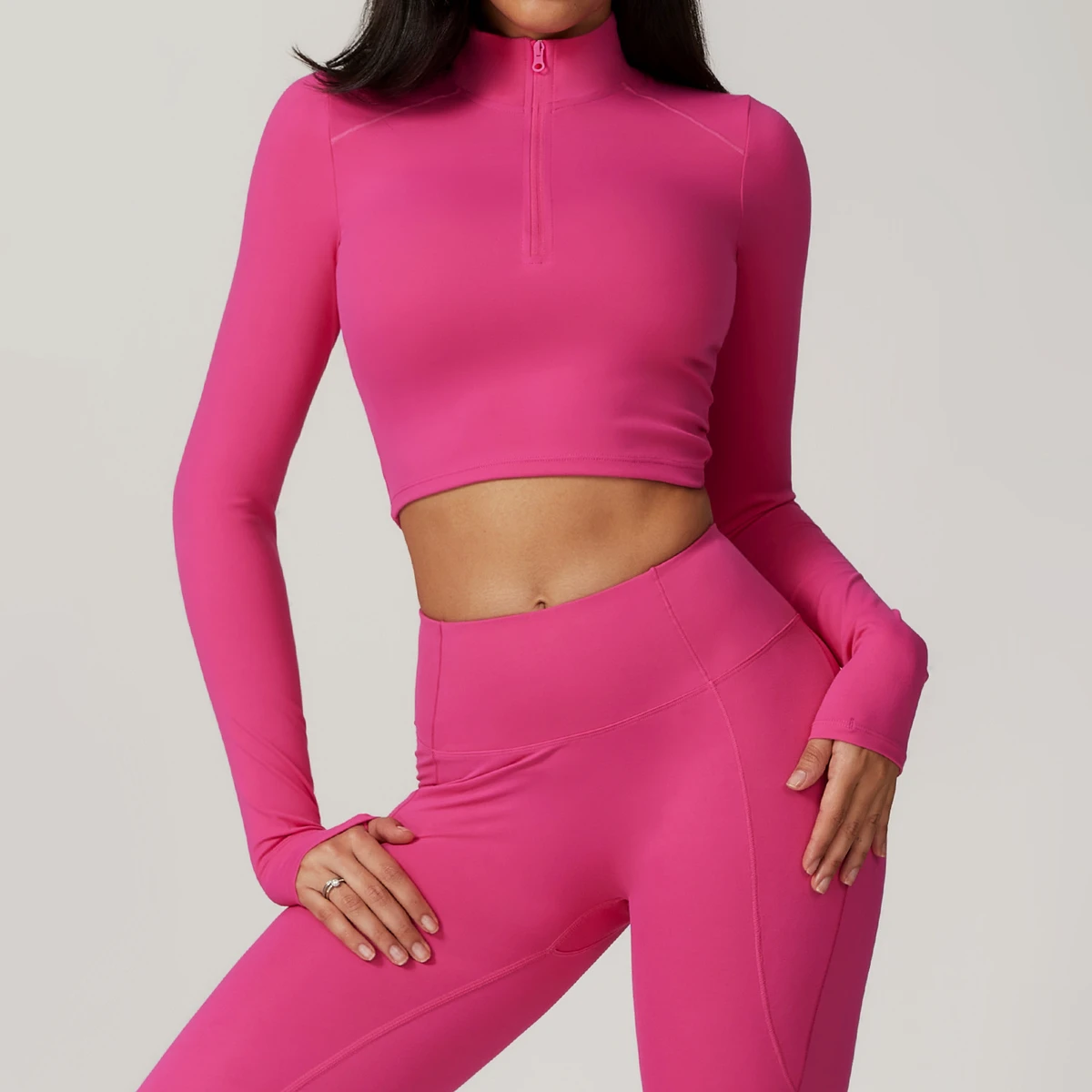
Ski and snowboard shells
Snow sports demand weather protection with freedom of movement, and softshell water-repellent fabric is usually specified in a heavier weight with room for insulation underneath.
Abrasion from pack straps, ski edges and chairlifts drives the choice of face fabric, so durability often outweighs the last few grams of weight here.
Alpine climbing and mountaineering
Alpine use asks for the highest weather protection available, and softshell water-repellent fabric is chosen with helmet-compatible hoods, harness-friendly pocket placement and generous seam allowances in mind.
Weight matters because it is carried all day, but a fabric that tears on rock is a safety problem rather than a comfort problem.
Hiking and trekking
Hiking is the largest volume category for waterproof shells, and softshell water-repellent fabric in a mid-weight construction covers most three-season use.
Pack compatibility, pocket ventilation and ease of repair matter more to this buyer than the headline numbers on the hangtag.
Trail running and fast packing
Trail running is the hardest brief: the garment must be light enough to carry in a vest, yet survive hours of wet abrasion, and softshell water-repellent fabric is pushed towards its minimum practical weight.
Breathability dominates here, because a runner generates more heat than a walker and will accept less absolute waterproofness to avoid overheating.
Cycling and everyday outdoor use
Cycling and commuting need weather protection with stretch in the riding position and visibility after dark, which favours softshell water-repellent fabric in a softer hand with reflective details.
Matching the specification to the activity matters more than chasing one number: water resistance rather than full waterproofness, RET around 4-10, at roughly 250-350 gsm suits some programmes and is wrong for others.
Summary
Buyers who verify rather than assume get better softshell water-repellent fabric at the same price, and spend far less time resolving leaks, delamination and late deliveries.




