Market Demand for Yoga Wear: What Importers in Southeast Asia Prioritise This Season
Demand for yoga wear in Southeast Asia has passed through several phases since 2020 and has now settled into a steadier but more demanding pattern. Growth comes less from new buyers than from existing brands widening their ranges, raising order frequency and asking for fabric programmes that hold quality across seasons. For suppliers, the commercial question is no longer whether demand exists but how precisely it can be served, and the answer is measured in specification sheets rather than sales calls.
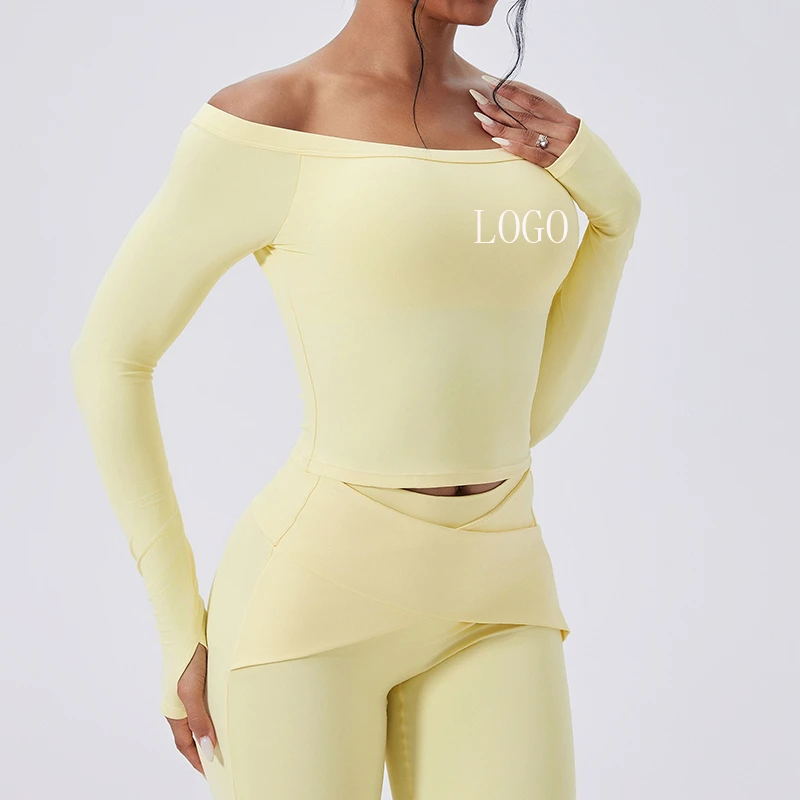
What is driving demand in Southeast Asia
- Online and direct-to-consumer channels in Southeast Asia reward fast replenishment of proven styles, which makes lead-time reliability a commercial issue rather than a logistics detail.
- Wellness travel and spa culture in Southeast Asia have created demand for soft, comfortable yoga wear that works outside the gym and looks acceptable in public settings.
- Cooling and moisture management have become baseline expectations rather than premium features in Southeast Asia, and buyers now test for them as part of routine quality control.
Taken together, these signals point to a market in Southeast Asia that buys yoga wear for reasons of a buttery-soft hand feel with squat-proof opacity rather than for novelty, which makes the fabric programme — not the marketing campaign — the practical centre of the order.
Specifications buyers are writing into the brief
- Pilling and snagging results, because surface appearance drives returns more often than tearing does.
- Hand feel described against a retained reference sample rather than an adjective, so that the standard survives the season.
- Certification scope for recycled content, restricted substances and chemical management where the market requires it.
- Shade consistency across bulk lots, with a defined colour difference limit against the approved standard.
A useful target specification for yoga wear in Southeast Asia starts at 220-260 GSM nylon/spandex, then adds the tolerances and test methods that the buyer actually audits against.
Moisture-Wicking Interlock supply, cost and lead time
Moisture management and softness finishes affect yield and handling more than buyers realise, so a finish change late in development can alter GSM and drape at the same time.
Recycled content carries its own scheduling logic because certified yarn may be produced in batches; booking volume against a certificate early prevents a gap in the chain of custody.
On cost, a balanced option between cost and performance, so a quotation for yoga wear should separate yarn, knitting, dyeing and finishing rather than presenting a single blended number that cannot be defended if one input moves.
Compliance and quality expectations
For Southeast Asia, restricted substance requirements are the first filter. Documentation should cover the chemical inventory, the testing programme and the certificates that apply to the specific moisture-wicking interlock being supplied.
Recycled claims need a chain of custody rather than a logo. Buyers increasingly ask for transaction certificates that link the purchased yarn to the shipped fabric, plus a mass balance record for the period in question.
How suppliers should respond
- Propose a seasonal colour card that fits the market palette instead of waiting to be briefed on every shade.
- Keep stock of greige or dyed fabric for the fastest-moving shades to support replenishment orders.
- Record the approved hand feel with a retained sample and a photograph so the standard outlives the development team.
- Review the previous season's defect data with the buyer and agree one improvement target per order.
Summary
Demand in Southeast Asia is real but selective. The suppliers who win yoga wear programmes are the ones who treat specification, lead time and documentation as product features rather than administrative tasks.




