Bio-Based Polyamide Demand Outlook 2026: How Italian Brands Are Planning Compression Wear Programmes
Anyone selling bio-based polyamide into Italy will have noticed that enquiries are longer and more detailed than they were three years ago. Specification sheets arrive with GSM tolerances, stretch targets, wash-test requirements and certification clauses already written in. This is a sign of a maturing market, and it rewards suppliers who can answer those questions with evidence rather than adjectives, especially where compression wear is positioned as performance wear.
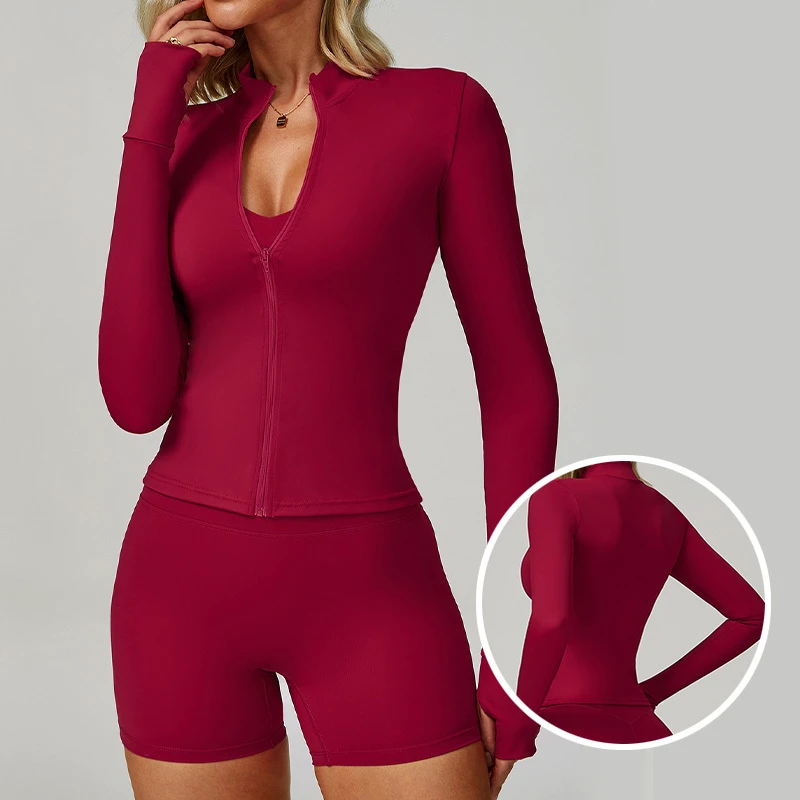
What is driving demand in Italy
- Home and studio fitness habits formed earlier in the decade have proved durable, and studio chains in Italy continue to open locations, which supports repeat orders rather than one-off launches.
- Running and walking clubs have grown quickly in Italy, and their members replace kit on a predictable cycle, giving buyers of compression wear a steadier reorder pattern than fashion-driven categories enjoy.
- Racquet and paddle sports remain among the fastest-growing participation categories in Italy, and the apparel that goes with them is lighter, more colourful and replaced more often than traditional gym wear.
Taken together, these signals point to a market in Italy that buys compression wear for reasons of graduated pressure that survives repeated wear rather than for novelty, which makes the fabric programme — not the marketing campaign — the practical centre of the order.
Specifications buyers are writing into the brief
- Moisture management and drying time where the garment is sold as performance wear rather than casual wear.
- Care instructions that match what the fabric can actually withstand, so the label and the product agree.
- Packing format, roll orientation and labelling, which reduce handling damage and warehouse disputes.
- Fibre content stated to the nearest percent, with the elastane type named rather than described generically as spandex.
A useful target specification for compression wear in Italy starts at 200-280 GSM power knit, then adds the tolerances and test methods that the buyer actually audits against.
Bio-Based Polyamide supply, cost and lead time
Bio-Based Polyamide availability in Asia has been adequate through 2026, but the market has learned that yarn prices and dyeing capacity, not knitting capacity, are the usual constraints. Buyers in Italy who lock in yarn before confirming the final colourway reduce both cost and scheduling risk.
Lead times for a custom bio-based polyamide programme typically run four to six weeks for sampling and four to seven weeks for bulk, before sea freight. Consolidating colours and confirming the specification early remain the two most effective ways to protect a delivery date.
On cost, a premium input with limited supply, so a quotation for compression wear should separate yarn, knitting, dyeing and finishing rather than presenting a single blended number that cannot be defended if one input moves.
Compliance and quality expectations
Recycled claims need a chain of custody rather than a logo. Buyers increasingly ask for transaction certificates that link the purchased yarn to the shipped fabric, plus a mass balance record for the period in question.
Colour fastness failures are among the most common reasons a compression wear programme is rejected at final inspection, so testing against the specific end use is more useful than a generic report.
How suppliers should respond
- Answer enquiries with a completed specification sheet, including tolerances, and a named reference sample.
- State lead time in two parts, sampling and bulk, rather than as a single optimistic figure.
- Offer a graded price list tied to volume bands so that buyers can plan without repeated negotiation.
- Include certification and test documentation with the quotation, because it shortens the approval cycle.
Summary
For bio-based polyamide suppliers, the practical lesson of 2026 is that the market pays for reliability first and price second, and that reliable suppliers are rarely the cheapest on the first quotation.




