Yoga Wear Market Demand in the United Kingdom: Volume, Price and Specification Trends for 2026
the United Kingdom remains a priority market for yoga wear, but the basis of competition has changed. Price still matters, yet it is rarely the deciding factor when a brand is selecting a fabric partner for a full season. Reliability, documentation and the ability to reorder the same shade and hand feel three months later now carry more weight, particularly for buyers who are consolidating a long supplier list into a short one.
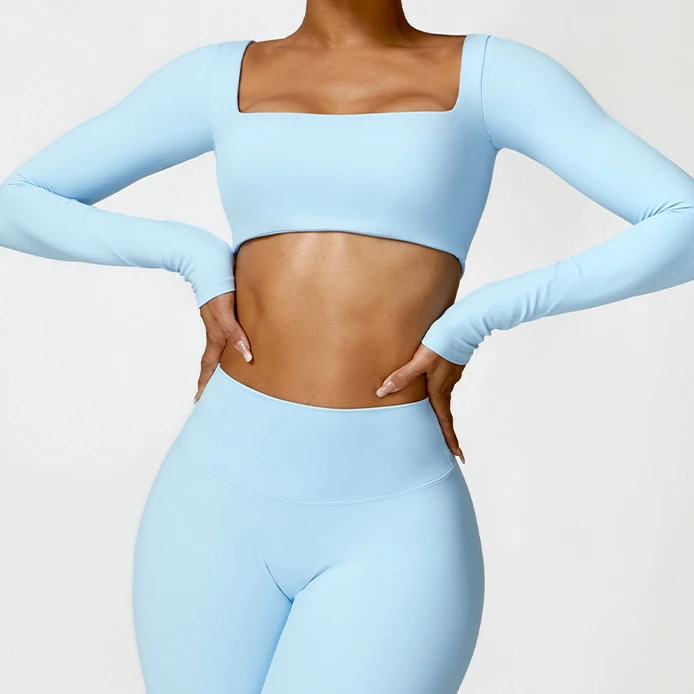
What is driving demand in the United Kingdom
- Private label and own-brand programmes continue to expand in the United Kingdom, bringing predictable volume with a tight specification, which suits mills able to hold consistency across repeated drops.
- Sustainability expectations in the United Kingdom have moved from marketing to procurement, so rib knit enquiries increasingly arrive with certification and traceability questions attached to the first email.
- Online and direct-to-consumer channels in the United Kingdom reward fast replenishment of proven styles, which makes lead-time reliability a commercial issue rather than a logistics detail.
Taken together, these signals point to a market in the United Kingdom that buys yoga wear for reasons of a buttery-soft hand feel with squat-proof opacity rather than for novelty, which makes the fabric programme — not the marketing campaign — the practical centre of the order.
Specifications buyers are writing into the brief
- Certification scope for recycled content, restricted substances and chemical management where the market requires it.
- Shade consistency across bulk lots, with a defined colour difference limit against the approved standard.
- Width, edge condition and roll length, since these determine cutting efficiency and fabric waste.
- Moisture management and drying time where the garment is sold as performance wear rather than casual wear.
A useful target specification for yoga wear in the United Kingdom starts at 220-260 GSM nylon/spandex, then adds the tolerances and test methods that the buyer actually audits against.
Rib Knit supply, cost and lead time
Spandex pricing has been the least predictable input, so quotations for yoga wear often carry a shorter validity period than buyers expect. Suppliers who explain the exposure clearly keep more orders than those who quietly absorb it and cut corners later.
Capacity around Chinese New Year and the summer peak fills months in advance. Brands targeting a spring or autumn launch in the United Kingdom should book machines and dye lots well before the specification is finalised.
On cost, efficient and forgiving in production, so a quotation for yoga wear should separate yarn, knitting, dyeing and finishing rather than presenting a single blended number that cannot be defended if one input moves.
Compliance and quality expectations
Where sun protection, water repellency or moisture management is claimed, the corresponding test method and its result should be recorded on the specification sheet.
Documentation is cheapest when it is built into the development schedule. Collecting certificates at the end of a project costs weeks and sometimes an entire season.
How suppliers should respond
- Answer enquiries with a completed specification sheet, including tolerances, and a named reference sample.
- State lead time in two parts, sampling and bulk, rather than as a single optimistic figure.
- Offer a graded price list tied to volume bands so that buyers can plan without repeated negotiation.
- Include certification and test documentation with the quotation, because it shortens the approval cycle.
Summary
Nothing in the the United Kingdom market is technically difficult in isolation. What is difficult is doing all of it, every time, across a season, and that is where a disciplined fabric partner earns its margin.




