Double-Knit Compression Fabric Demand Outlook 2026: How Turkish Brands Are Planning Plus-Size Activewear Programmes
The Turkey market for plus-size activewear is one of the clearest examples of how activewear demand has matured. Retailers report that consumers still buy, but they buy differently: fewer impulse purchases, more repeat purchases of proven fits, and a strong preference for pieces that perform as promised after fifty washes. That behaviour translates directly into what buyers write into a fabric enquiry, and it explains why double-knit compression fabric has become a frequent starting point for those conversations.
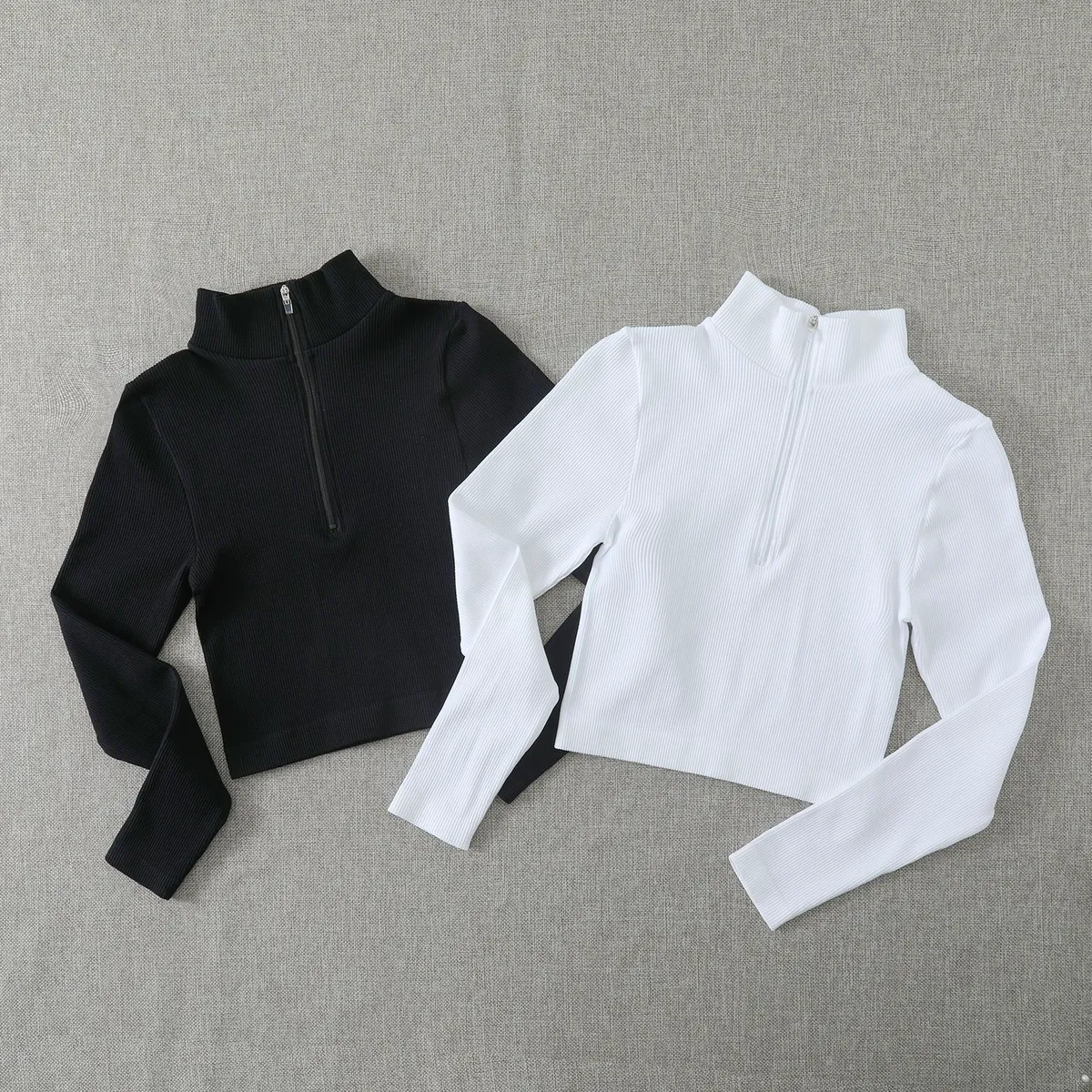
What is driving demand in Turkey
- Size inclusivity is a stated requirement for many retailers in Turkey, which changes grading, fabric consumption and the amount of stretch recovery a fabric must deliver.
- Seasonal weather volatility in Turkey has made transitional weights more important, and buyers are adding mid-weight options rather than ordering only summer and winter extremes.
- Trade shows and buying calendars in Turkey have returned to a normal rhythm, and brands that once planned two collections a year now often plan three or four smaller drops.
Taken together, these signals point to a market in Turkey that buys plus-size activewear for reasons of support and opacity across a wider size range rather than for novelty, which makes the fabric programme — not the marketing campaign — the practical centre of the order.
Specifications buyers are writing into the brief
- Dimensional stability after three to five home laundering cycles, expressed as a percentage change.
- Pilling and snagging results, because surface appearance drives returns more often than tearing does.
- Hand feel described against a retained reference sample rather than an adjective, so that the standard survives the season.
- Certification scope for recycled content, restricted substances and chemical management where the market requires it.
A useful target specification for plus-size activewear in Turkey starts at 240-320 GSM high-stretch knit, then adds the tolerances and test methods that the buyer actually audits against.
Double-Knit Compression Fabric supply, cost and lead time
Dyed-to-match trims, elastic and thread are frequent sources of delay because they sit outside the main fabric programme. Listing them on the same critical path as the fabric avoids a late surprise.
Where a brand needs both double-knit compression fabric and a secondary fabric for panels, sourcing them from one mill reduces shade and hand-feel mismatches at the assembly stage.
On cost, higher yarn consumption per square metre, so a quotation for plus-size activewear should separate yarn, knitting, dyeing and finishing rather than presenting a single blended number that cannot be defended if one input moves.
Compliance and quality expectations
Where a brand publishes a sustainability claim, the evidence behind it must survive scrutiny by a journalist as well as by an auditor. Adjectives are cheap; test reports are not.
Social compliance and traceability now sit alongside product quality in the approval process, and a factory that can produce the paperwork quickly wins the order as often as the one with the lower price.
How suppliers should respond
- Answer enquiries with a completed specification sheet, including tolerances, and a named reference sample.
- State lead time in two parts, sampling and bulk, rather than as a single optimistic figure.
- Offer a graded price list tied to volume bands so that buyers can plan without repeated negotiation.
- Include certification and test documentation with the quotation, because it shortens the approval cycle.
Summary
The plus-size activewear opportunity in Turkey rewards consistency over novelty. A buyer who can reorder the same hand feel in the same shade three months later becomes a customer for years.




