Cycling Apparel Market Demand in India: Volume, Price and Specification Trends for 2026
India remains a priority market for cycling apparel, but the basis of competition has changed. Price still matters, yet it is rarely the deciding factor when a brand is selecting a fabric partner for a full season. Reliability, documentation and the ability to reorder the same shade and hand feel three months later now carry more weight, particularly for buyers who are consolidating a long supplier list into a short one.
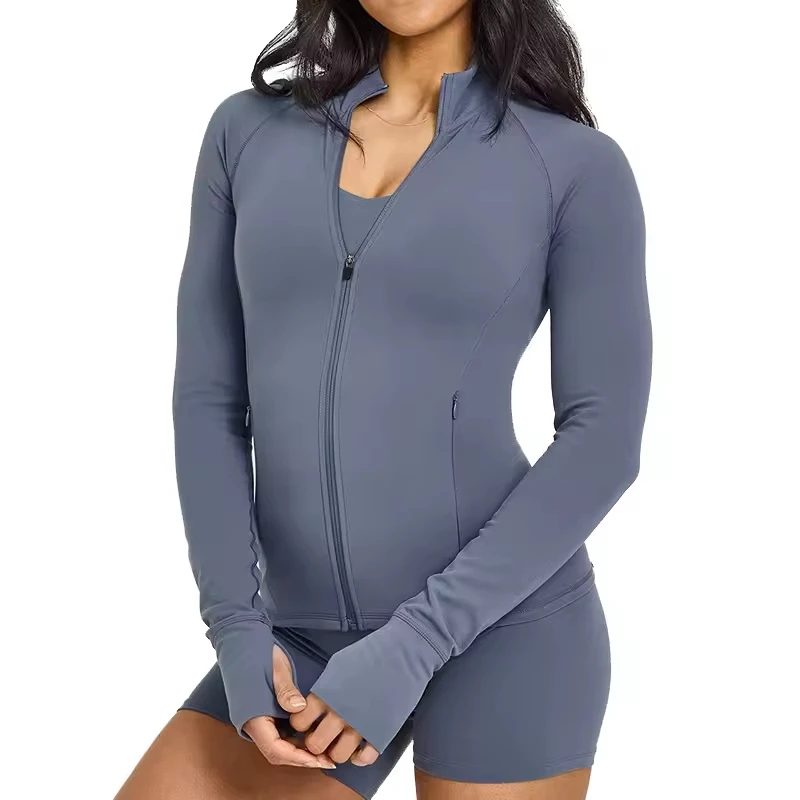
What is driving demand in India
- Running and walking clubs have grown quickly in India, and their members replace kit on a predictable cycle, giving buyers of cycling apparel a steadier reorder pattern than fashion-driven categories enjoy.
- Racquet and paddle sports remain among the fastest-growing participation categories in India, and the apparel that goes with them is lighter, more colourful and replaced more often than traditional gym wear.
- Consumers in India are consolidating wardrobes: fewer pieces, bought at higher quality, expected to survive a full year of washing without losing shape, colour or opacity.
Taken together, these signals point to a market in India that buys cycling apparel for reasons of abrasion resistance with paneled stretch rather than for novelty, which makes the fabric programme — not the marketing campaign — the practical centre of the order.
Specifications buyers are writing into the brief
- Colour fastness to washing, perspiration, rubbing and light, each quoted against a named test method.
- Dimensional stability after three to five home laundering cycles, expressed as a percentage change.
- Pilling and snagging results, because surface appearance drives returns more often than tearing does.
- Hand feel described against a retained reference sample rather than an adjective, so that the standard survives the season.
A useful target specification for cycling apparel in India starts at 190-260 GSM warp knit, then adds the tolerances and test methods that the buyer actually audits against.
Seamless Circular Knit supply, cost and lead time
Freight volatility has made total landed cost a monthly calculation rather than an annual one, and buyers in India increasingly compare sea, rail and air options for replenishment.
A mill's monthly output should be stated in kilograms per machine and confirmed in writing, because capacity claims that are not quantified tend to be revised when the peak season arrives.
On cost, requires dedicated machines and longer development, so a quotation for cycling apparel should separate yarn, knitting, dyeing and finishing rather than presenting a single blended number that cannot be defended if one input moves.
Compliance and quality expectations
Colour fastness failures are among the most common reasons a cycling apparel programme is rejected at final inspection, so testing against the specific end use is more useful than a generic report.
Where a brand publishes a sustainability claim, the evidence behind it must survive scrutiny by a journalist as well as by an auditor. Adjectives are cheap; test reports are not.
How suppliers should respond
- Answer enquiries with a completed specification sheet, including tolerances, and a named reference sample.
- State lead time in two parts, sampling and bulk, rather than as a single optimistic figure.
- Offer a graded price list tied to volume bands so that buyers can plan without repeated negotiation.
- Include certification and test documentation with the quotation, because it shortens the approval cycle.
Summary
The market is not asking for miracles. It is asking for accurate specifications, honest lead times and fabric that behaves the same way in the wash as it did on the sample table.




