Market Demand for Sports Shorts: What Importers in Spain Prioritise This Season
Demand for sports shorts in Spain has passed through several phases since 2020 and has now settled into a steadier but more demanding pattern. Growth comes less from new buyers than from existing brands widening their ranges, raising order frequency and asking for fabric programmes that hold quality across seasons. For suppliers, the commercial question is no longer whether demand exists but how precisely it can be served, and the answer is measured in specification sheets rather than sales calls.
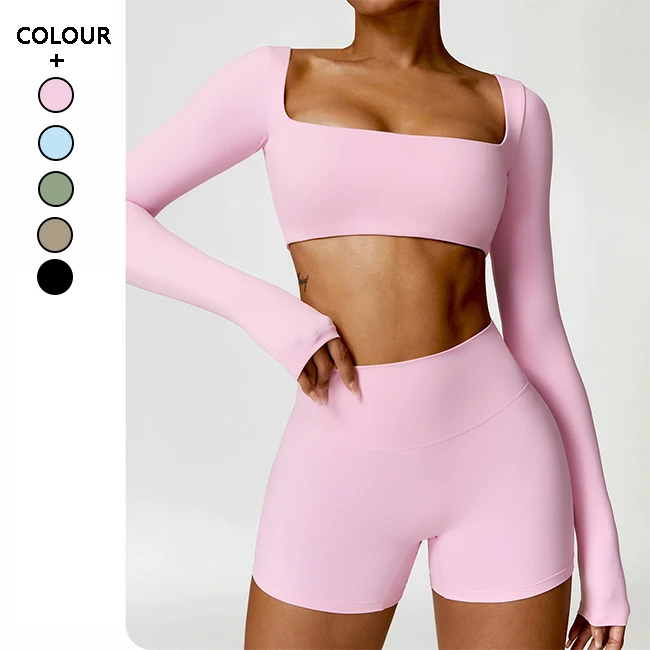
What is driving demand in Spain
- Seasonal weather volatility in Spain has made transitional weights more important, and buyers are adding mid-weight options rather than ordering only summer and winter extremes.
- Trade shows and buying calendars in Spain have returned to a normal rhythm, and brands that once planned two collections a year now often plan three or four smaller drops.
- Freight and inventory costs have taught buyers in Spain to consolidate orders, which favours suppliers able to hold greige fabric and dye closer to the required delivery date.
Taken together, these signals point to a market in Spain that buys sports shorts for reasons of light weight with opaque liners and stretch rather than for novelty, which makes the fabric programme — not the marketing campaign — the practical centre of the order.
Specifications buyers are writing into the brief
- Certification scope for recycled content, restricted substances and chemical management where the market requires it.
- Shade consistency across bulk lots, with a defined colour difference limit against the approved standard.
- Width, edge condition and roll length, since these determine cutting efficiency and fabric waste.
- Moisture management and drying time where the garment is sold as performance wear rather than casual wear.
A useful target specification for sports shorts in Spain starts at 140-200 GSM woven or knit, then adds the tolerances and test methods that the buyer actually audits against.
Rib Knit supply, cost and lead time
Dyed-to-match trims, elastic and thread are frequent sources of delay because they sit outside the main fabric programme. Listing them on the same critical path as the fabric avoids a late surprise.
Where a brand needs both rib knit and a secondary fabric for panels, sourcing them from one mill reduces shade and hand-feel mismatches at the assembly stage.
On cost, efficient and forgiving in production, so a quotation for sports shorts should separate yarn, knitting, dyeing and finishing rather than presenting a single blended number that cannot be defended if one input moves.
Compliance and quality expectations
Social compliance and traceability now sit alongside product quality in the approval process, and a factory that can produce the paperwork quickly wins the order as often as the one with the lower price.
Care labels should be drafted from test results rather than from habit, since an incorrect label creates a returns problem that no inspection can catch.
How suppliers should respond
- Propose a seasonal colour card that fits the market palette instead of waiting to be briefed on every shade.
- Keep stock of greige or dyed fabric for the fastest-moving shades to support replenishment orders.
- Record the approved hand feel with a retained sample and a photograph so the standard outlives the development team.
- Review the previous season's defect data with the buyer and agree one improvement target per order.
Summary
Price pressure in Spain will not disappear, but it is far cheaper to defend a sharp quotation than to recover from a late delivery or a shade failure.




