Sports Shorts Market Demand in Australia: Volume, Price and Specification Trends for 2026
Australia remains a priority market for sports shorts, but the basis of competition has changed. Price still matters, yet it is rarely the deciding factor when a brand is selecting a fabric partner for a full season. Reliability, documentation and the ability to reorder the same shade and hand feel three months later now carry more weight, particularly for buyers who are consolidating a long supplier list into a short one.
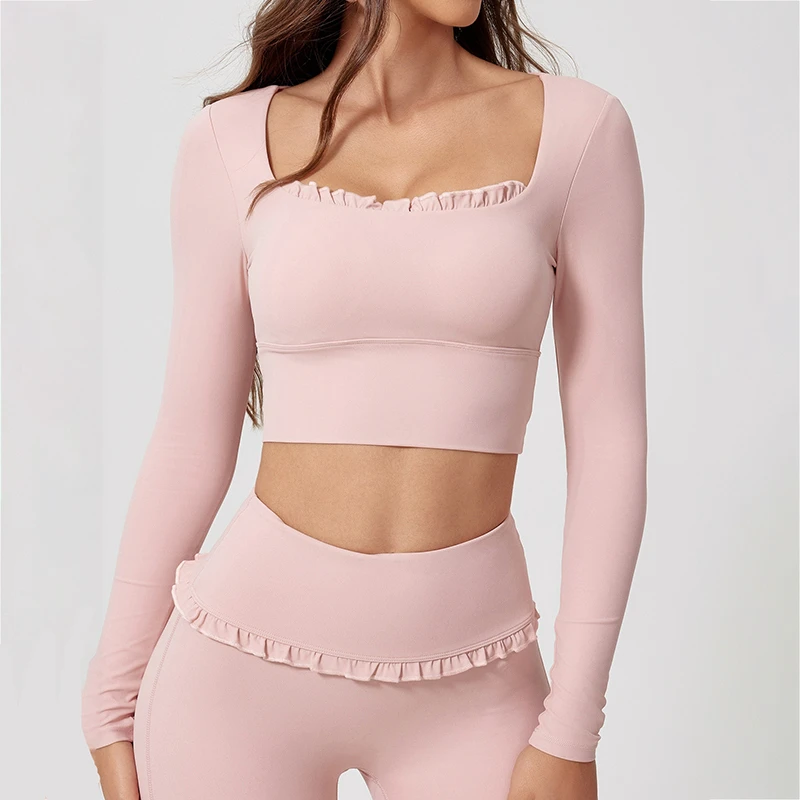
What is driving demand in Australia
- Cooling and moisture management have become baseline expectations rather than premium features in Australia, and buyers now test for them as part of routine quality control.
- Size inclusivity is a stated requirement for many retailers in Australia, which changes grading, fabric consumption and the amount of stretch recovery a fabric must deliver.
- Seasonal weather volatility in Australia has made transitional weights more important, and buyers are adding mid-weight options rather than ordering only summer and winter extremes.
Taken together, these signals point to a market in Australia that buys sports shorts for reasons of light weight with opaque liners and stretch rather than for novelty, which makes the fabric programme — not the marketing campaign — the practical centre of the order.
Specifications buyers are writing into the brief
- Width, edge condition and roll length, since these determine cutting efficiency and fabric waste.
- Moisture management and drying time where the garment is sold as performance wear rather than casual wear.
- Care instructions that match what the fabric can actually withstand, so the label and the product agree.
- Packing format, roll orientation and labelling, which reduce handling damage and warehouse disputes.
A useful target specification for sports shorts in Australia starts at 140-200 GSM woven or knit, then adds the tolerances and test methods that the buyer actually audits against.
Jacquard Knit supply, cost and lead time
Jacquard Knit availability in Asia has been adequate through 2026, but the market has learned that yarn prices and dyeing capacity, not knitting capacity, are the usual constraints. Buyers in Australia who lock in yarn before confirming the final colourway reduce both cost and scheduling risk.
Lead times for a custom jacquard knit programme typically run four to six weeks for sampling and four to seven weeks for bulk, before sea freight. Consolidating colours and confirming the specification early remain the two most effective ways to protect a delivery date.
On cost, design cost amortised over larger volumes, so a quotation for sports shorts should separate yarn, knitting, dyeing and finishing rather than presenting a single blended number that cannot be defended if one input moves.
Compliance and quality expectations
Colour fastness failures are among the most common reasons a sports shorts programme is rejected at final inspection, so testing against the specific end use is more useful than a generic report.
Where a brand publishes a sustainability claim, the evidence behind it must survive scrutiny by a journalist as well as by an auditor. Adjectives are cheap; test reports are not.
How suppliers should respond
- Answer enquiries with a completed specification sheet, including tolerances, and a named reference sample.
- State lead time in two parts, sampling and bulk, rather than as a single optimistic figure.
- Offer a graded price list tied to volume bands so that buyers can plan without repeated negotiation.
- Include certification and test documentation with the quotation, because it shortens the approval cycle.
Summary
The market is not asking for miracles. It is asking for accurate specifications, honest lead times and fabric that behaves the same way in the wash as it did on the sample table.




