
Recycled Nylon Fabric: Properties, Types and Applications
Recycled Nylon Fabric is nylon yarn regenerated from fishing nets, carpet and industrial waste. It is one of the building blocks of modern performance apparel, used wherever comfort, stretch and durability must work together. This guide covers what it is, its key properties, how it is produced, the specifications buyers should request and where it performs best.
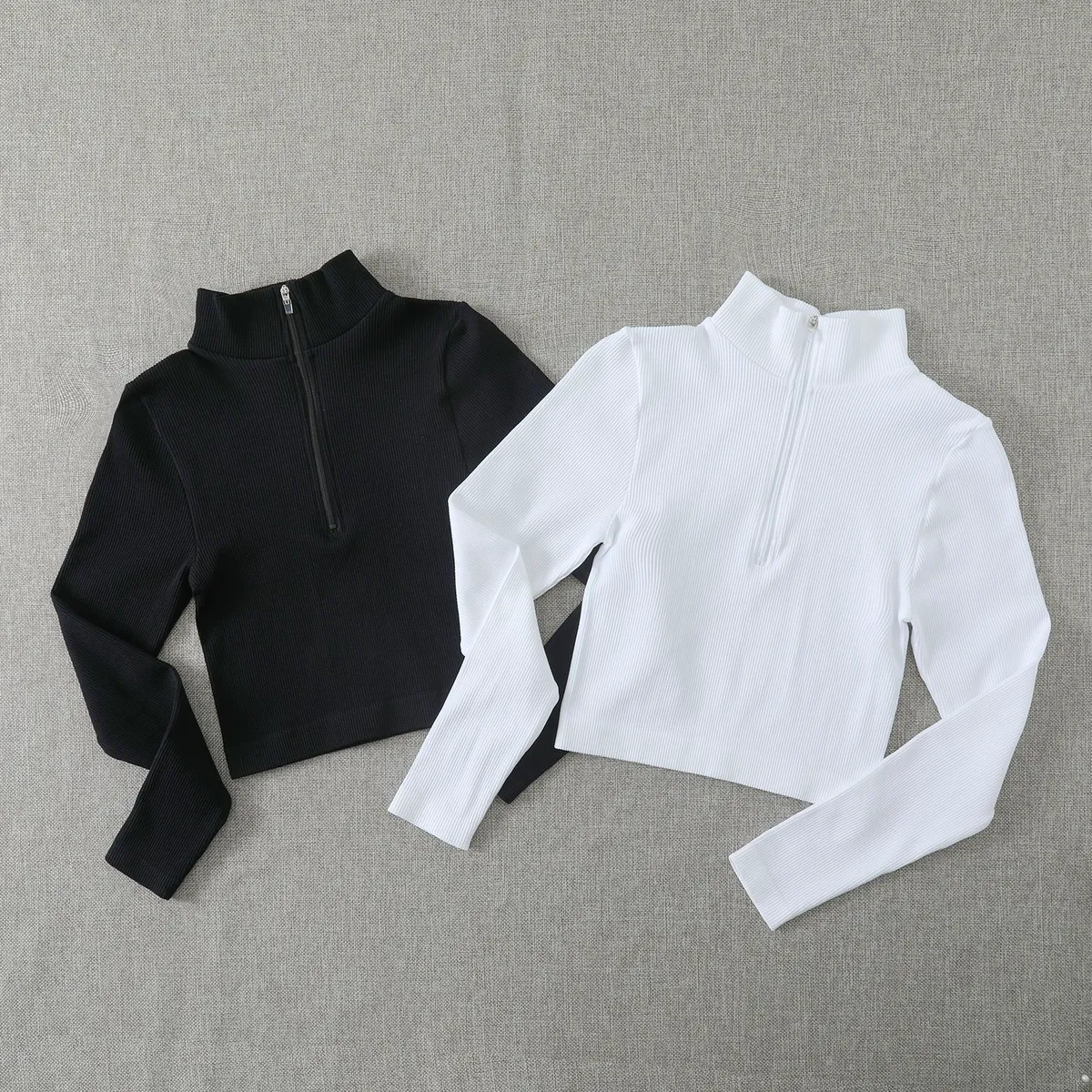
Close-up of recycled nylon fabric used in functional sportswear
What Is Recycled Nylon Fabric?
In practical terms, nylon yarn regenerated from fishing nets, carpet and industrial waste. The name describes both the material family and the performance promise it carries on a specification sheet. Understanding that promise is the first step to selecting the right fabric and avoiding costly mismatches between design intent and production reality.
Key Properties
- Cuts waste and carbon versus virgin nylon
- Keeps the soft hand of nylon
- Supply is tighter and cost is higher than rPET
- Consistent performance across dye lots when the construction sheet is followed
These properties are what designers look for in a performance brief. They also explain why this material commands a different price point from commodity knits: the value is in the engineered balance of comfort, function and durability rather than in the fibre alone.
How It Is Made
The yarn is the starting point. Selected filaments are spun or textured, then knitted on circular machines together with elastane to create the stretch base. Dyeing and a functional finish follow, and the roll is finally heat-set to stabilise width, GSM and recovery.
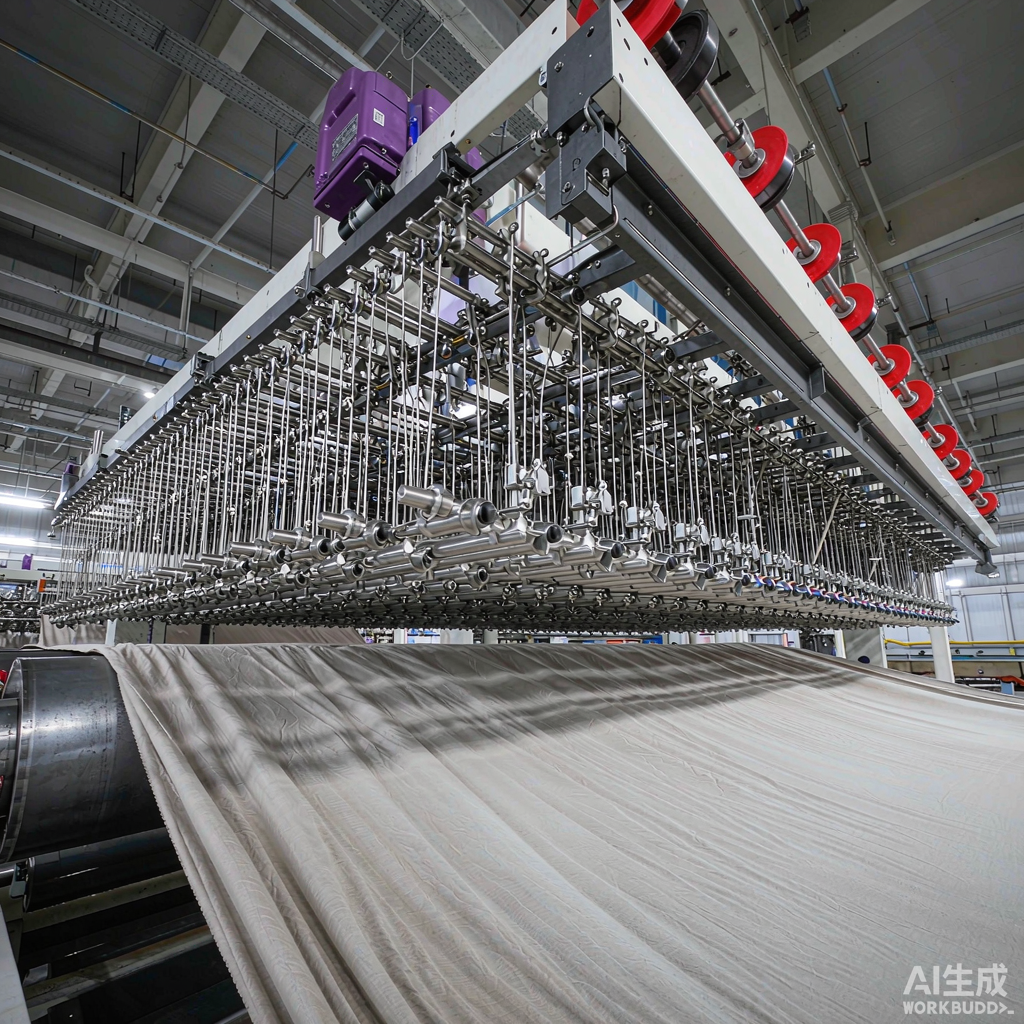
Laboratory testing and quality control for recycled nylon fabric
Typical Specifications
| Parameter | Typical Value |
|---|---|
| Key specification | Recycled content 50-100% |
| Additional specification | GRS or RCS certified |
| Width | 150-170 cm (tubular or open width) |
| Colour fastness | Grade 4 or above |
| Shrinkage | Within plus or minus 5% after washing |
Where It Is Used
Typical applications include premium sustainable leggings, swimwear and outerwear. The same base construction can serve several end uses, but the finish and GSM should always be matched to the intended wear pattern. A fabric developed for studio wear may not survive repeated pool use, and a heavy outdoor weight may feel excessive indoors.
Care, Testing and Quality Control
- Request a full construction sheet before sampling: fibre content, yarn count, GSM, width, stretch and recovery.
- Verify fibre content and tenacity verification on a representative sample, not only on the greige roll.
- Wash-test the first bulk lot to confirm dimensional stability and colour retention.
- Keep a retained sample from each dye lot for traceability.
- Follow the care label: low-temperature washing and air drying extend garment life considerably.
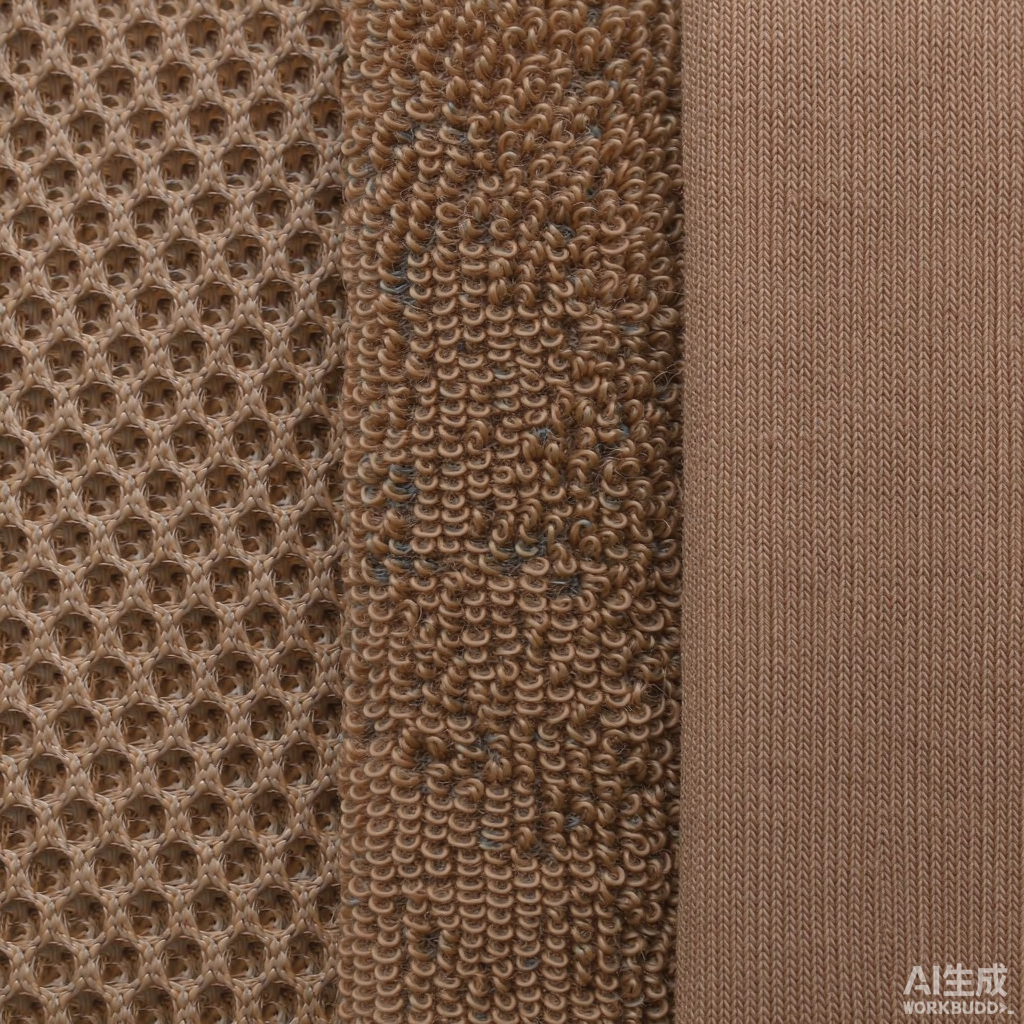
Typical applications of recycled nylon fabric in activewear
FAQ
How do I know whether this fabric suits my product?
Start from the performance brief: how much stretch, how much warmth, how often the garment will be washed. Match those requirements against the specification table above, then validate with a wear trial before committing to bulk.
What should I check before placing a bulk order?
Confirm GSM and width tolerances in writing, approve a lab dip under your own lighting, and ask for the test report that supports any performance claim. A short pre-production run is the cheapest insurance available.
Can this fabric be customised?
Yes. Colour, GSM, width, stretch level, finish and even the stitch structure can be adjusted within practical limits. Customisation usually affects minimum order quantity and lead time, so discuss those two numbers early.
Summary
Recycled Nylon Fabric is best understood as a system of fibre, construction and finish choices rather than a single specification. Buyers who treat it that way, and who verify each element with their supplier, receive garments that perform consistently from the first wear to the fiftieth wash.




