Circularity and Resale: Designing Apparel for a Second Life
Resale and recycling work best when garments are designed for them from the start, and fabric choice is the first decision.
What follows is a practical breakdown for sourcing and development teams, from specification through to verification.
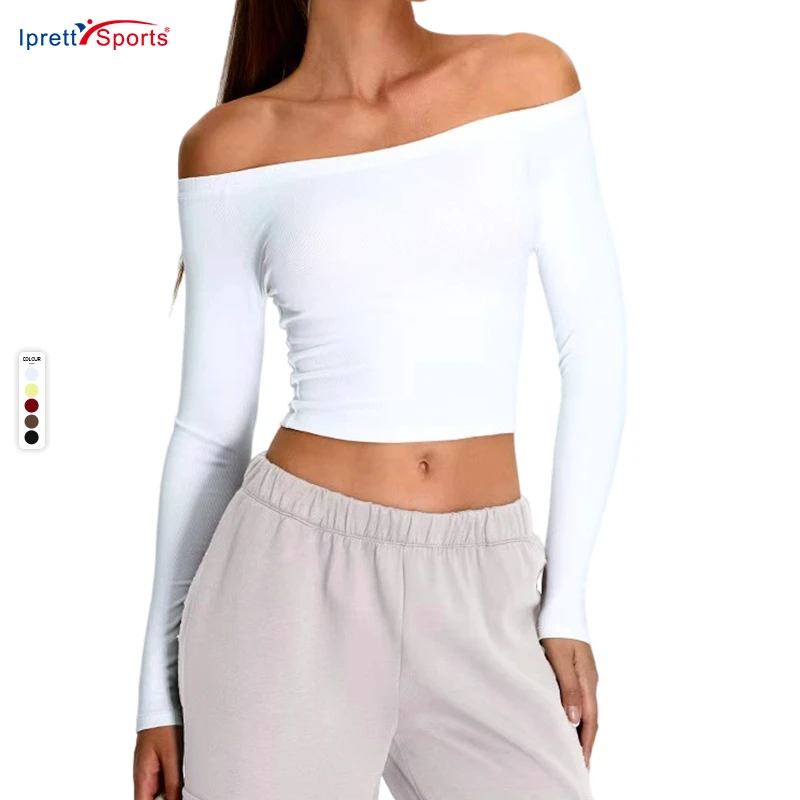
Design principles
Mono-material construction, avoidance of blended fibre mixes and removable trims make recycling feasible.
In practice the goal is predictability: the same result on the first order and on the fifth reorder.
Durability as sustainability
Garments that survive more washes and seasons displace more new production than any single fibre choice.
Agree the tolerance in writing before sampling, since tolerance disputes are far more common than outright failures.
- Confirm the numeric range and the test method in the specification
- Keep an approved physical standard at the machine
- Retest after the agreed care regime before shipping
Repair and resale readiness
Reinforced seams, replaceable parts and clear care advice extend the usability period substantially.
Include the parameter in the pre-production meeting so the whole team understands what will be checked.
Fabric implications
Single-fibre knits, minimal elastane and durable prints support both resale value and mechanical recycling.
Repeat the test when the fabric, the mill or the finishing route changes, as previous results no longer apply.
- Request test reports on production fabric, not on development samples
- Verify the sampling plan and the number of specimens
- Store reports with roll or lot identification for traceability
Communicating the benefit
Claims should be specific and verifiable, tied to measurable durability or recyclability outcomes.
Where volumes are modest, consider consolidating colours or constructions to reach an economical run length.
Summary
Used as a checklist in development and again before shipment, the points above prevent the most common and most expensive failures.




