Snag Resistance Testing for Knit Activewear
Filament knitwear can snag on contact with rough surfaces, and snag testing reveals whether the structure is too loose for the end use.
What follows is a practical breakdown for sourcing and development teams, from specification through to verification.
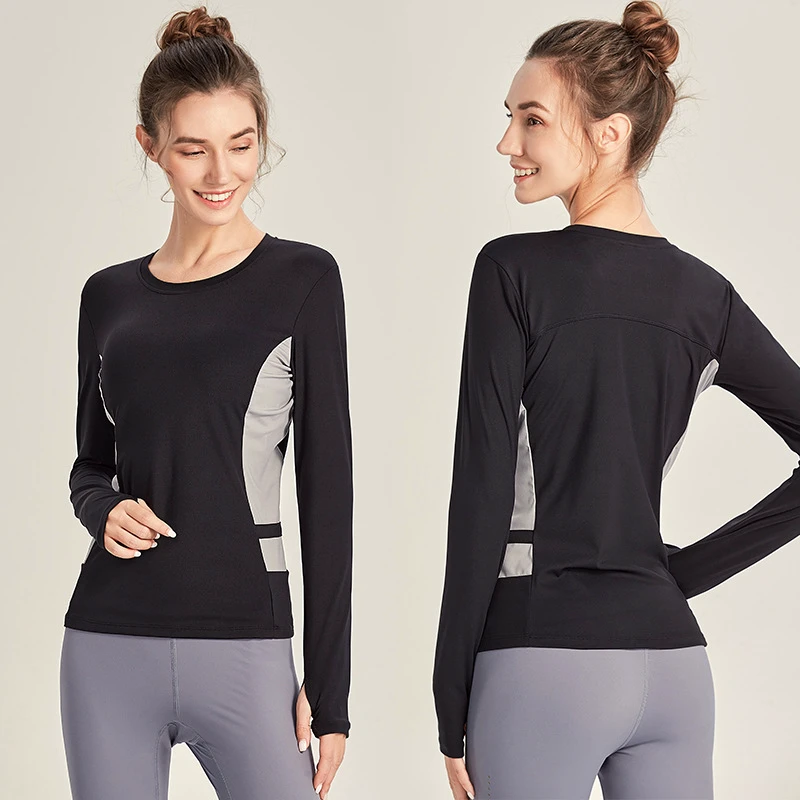
How snagging occurs
A protruding object pulls individual filaments out of the loop structure, leaving a visible pull.
Buyers who set expectations at the development stage spend far less time resolving complaints after the season has started.
Test methods
Mace snag testing and bead or pin snag testing apply controlled contact and grade the number and severity of pulls.
Record the measurement conditions alongside the target, including conditioning, sample size and number of test specimens.
- Record settings and raw material lots for every approved production run
- Check in-process rather than relying on final inspection
- Escalate deviations the same day they appear
Fabric factors
Low loop density, low yarn twist and fine denier filaments all raise snag risk.
Set an in-process check at the point where the parameter is created, not at final inspection where correction is expensive.
Design responses
Tighter stitch density, higher twist yarns and blended filaments reduce snagging while keeping softness.
Compare results before and after the intended care regime, since performance often changes after the first wash.
- Ask for a separate price line for the requirement
- Confirm minimum quantities before committing the colourway
- Build one extra approval round into the calendar
Grading and acceptance
Results are graded visually, and premium programmes often require only occasional, slight pulls.
Agree how changes will be priced before the order starts, which avoids difficult conversations mid-production.
Summary
Handled early, the requirement costs little and protects the launch date; handled late, it becomes an argument about responsibility.




