The Women's Training Segment: Fit, Support and Inclusivity
Women's training apparel is the largest profit pool in sportswear, and it rewards brands that invest in fit rather than shrink-and-pink.
This guide explains the underlying principle, the numbers that matter and the checks that keep results consistent.
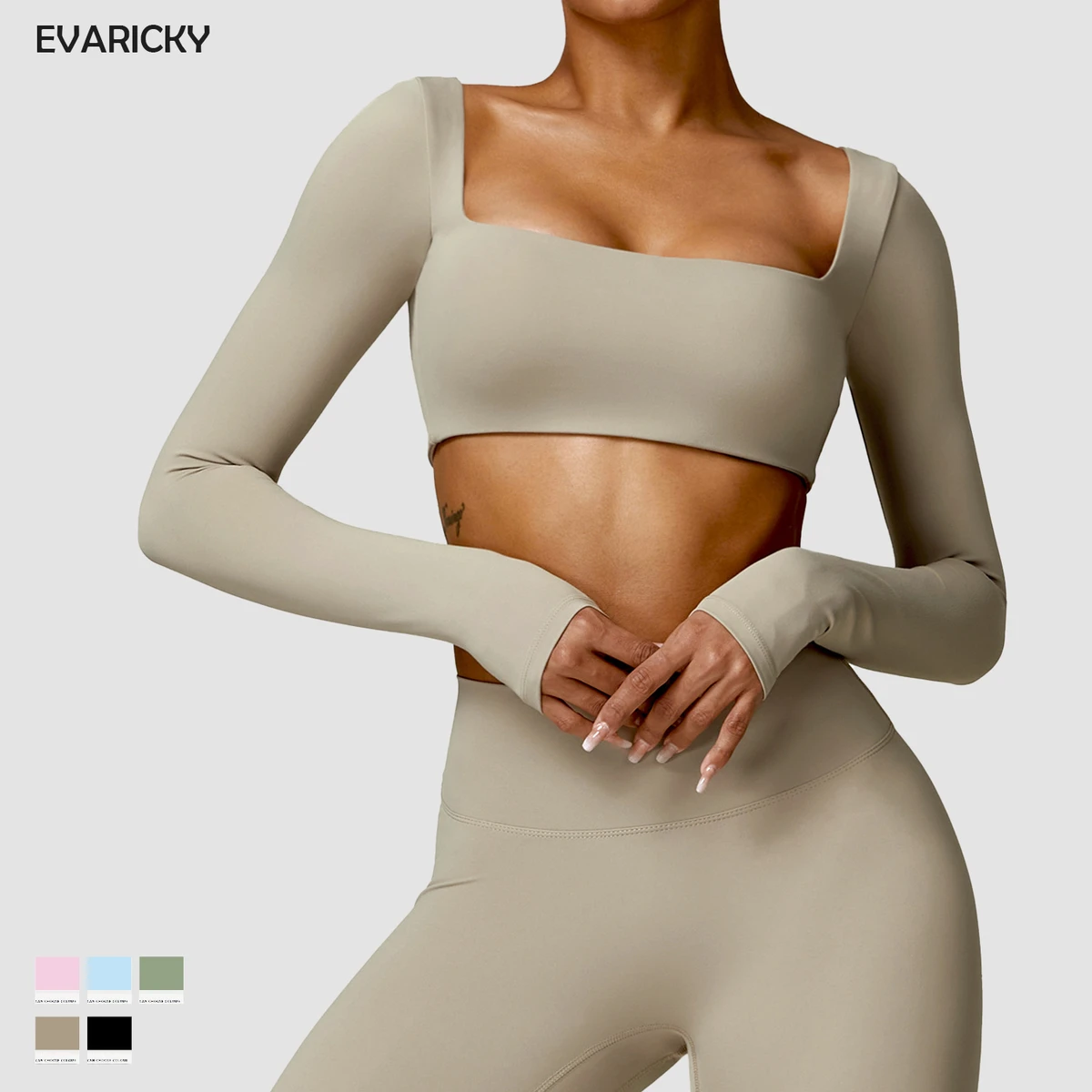
Fit is the differentiator
Bust, waist and hip relationships vary widely, so dedicated blocks outperform scaled men's patterns.
It also reduces the risk of a mid-season change, which is where both cost and calendar damage usually originate.
Support requirements
Bras and tops need impact-appropriate support, which is a structural issue rather than a fabric choice alone.
Specify the value on the finished fabric rather than on greige, because finishing changes almost every parameter measured.
- Record settings and raw material lots for every approved production run
- Check in-process rather than relying on final inspection
- Escalate deviations the same day they appear
Fabric and comfort
Soft hand feel, reliable opacity and gentle compression matter more than maximum stretch values.
Review machine maintenance schedules, because worn parts change results gradually and are easily missed.
Inclusive sizing
Extending size ranges with proper grading opens a large and loyal customer base.
Use a reference material alongside the sample so results can be interpreted if the laboratory changes.
- Ask for a separate price line for the requirement
- Confirm minimum quantities before committing the colourway
- Build one extra approval round into the calendar
Testing programme
Wear trials and wash testing with multiple fit models reveal issues that measurement checks cannot.
Book capacity early where the requirement needs a specific machine or a specialised process.
Summary
Handled early, the requirement costs little and protects the launch date; handled late, it becomes an argument about responsibility.




