Athleisure Goes Mainstream: Designing for Everyday Wear
Athleisure has become everyday clothing, which shifts the design brief away from pure performance and toward comfort and durability.
This guide explains the underlying principle, the numbers that matter and the checks that keep results consistent.
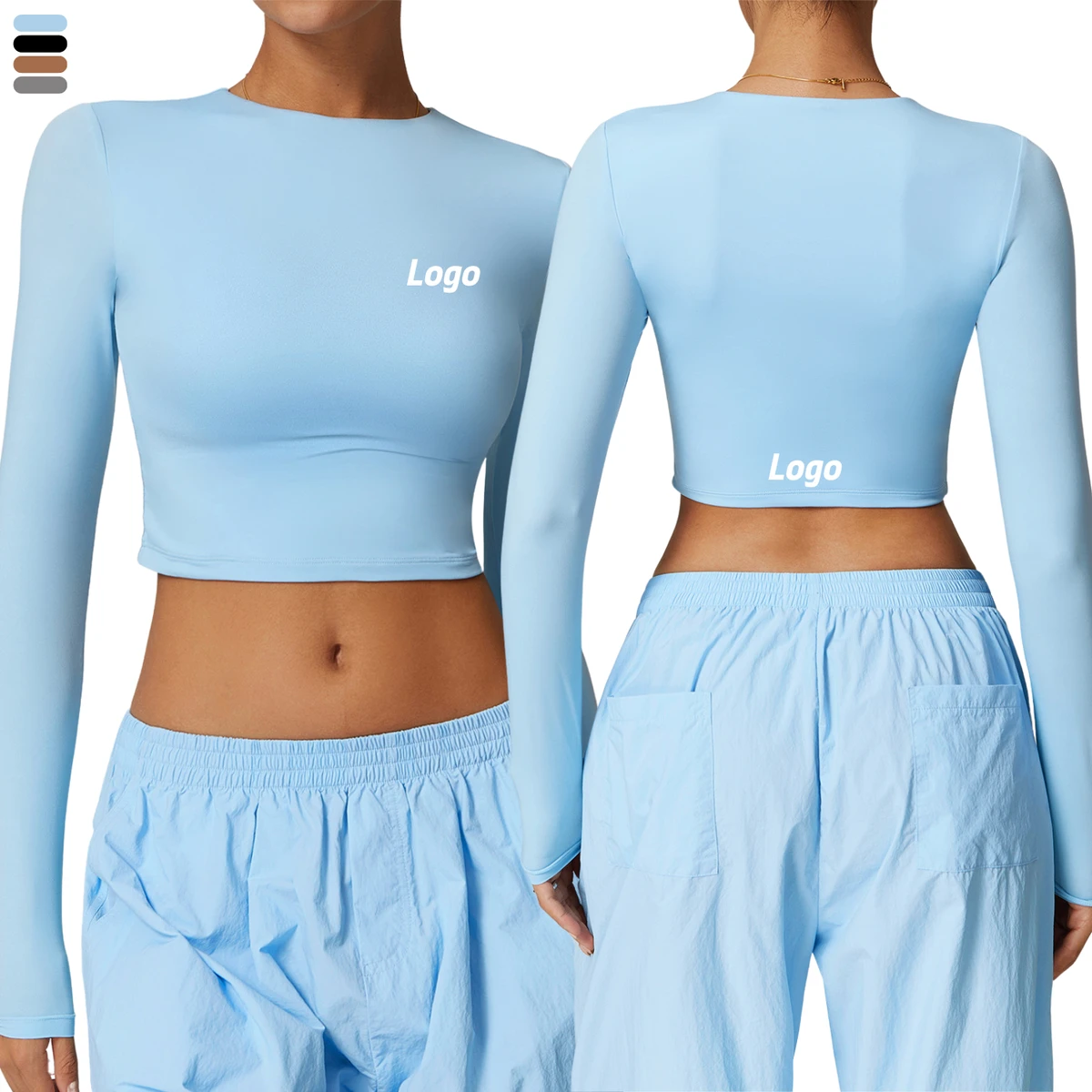
Changing consumer behaviour
Sportswear is now worn for commuting, travel, working from home and social occasions, not only for training.
In practice the goal is predictability: the same result on the first order and on the fifth reorder.
Fabric implications
Softer hands, better drape, wrinkle resistance and easy care matter more than maximum wicking or compression.
Fix the limits for the whole size range, not only for the middle size, as grading changes the numbers involved.
- Ask for a separate price line for the requirement
- Confirm minimum quantities before committing the colourway
- Build one extra approval round into the calendar
Design adjustments
More relaxed fits, functional pockets and versatile styling increase the number of occasions a garment suits.
In production, consistency matters more than the best single result, because batch-to-batch variation is what customers notice.
Durability expectations
Everyday wear means more washing, so colour fastness and dimensional stability become critical.
Compare results before and after the intended care regime, since performance often changes after the first wash.
- Confirm the numeric range and the test method in the specification
- Keep an approved physical standard at the machine
- Retest after the agreed care regime before shipping
Positioning opportunity
Brands that solve everyday comfort with credible materials capture a larger market than pure performance positioning.
Plan the calendar with the approval steps in mind, since late approvals delay production regardless of capacity.
Summary
A clear specification, a trained operator and a documented test together remove most of the risk from this part of the programme.




