Supplier Price Negotiation: Where Cost Can and Cannot Be Cut
Effective negotiation is about understanding the cost structure, not applying pressure, because quality follows cost down quickly.
This article sets out what the requirement involves, how to specify it and how to verify it before bulk production.
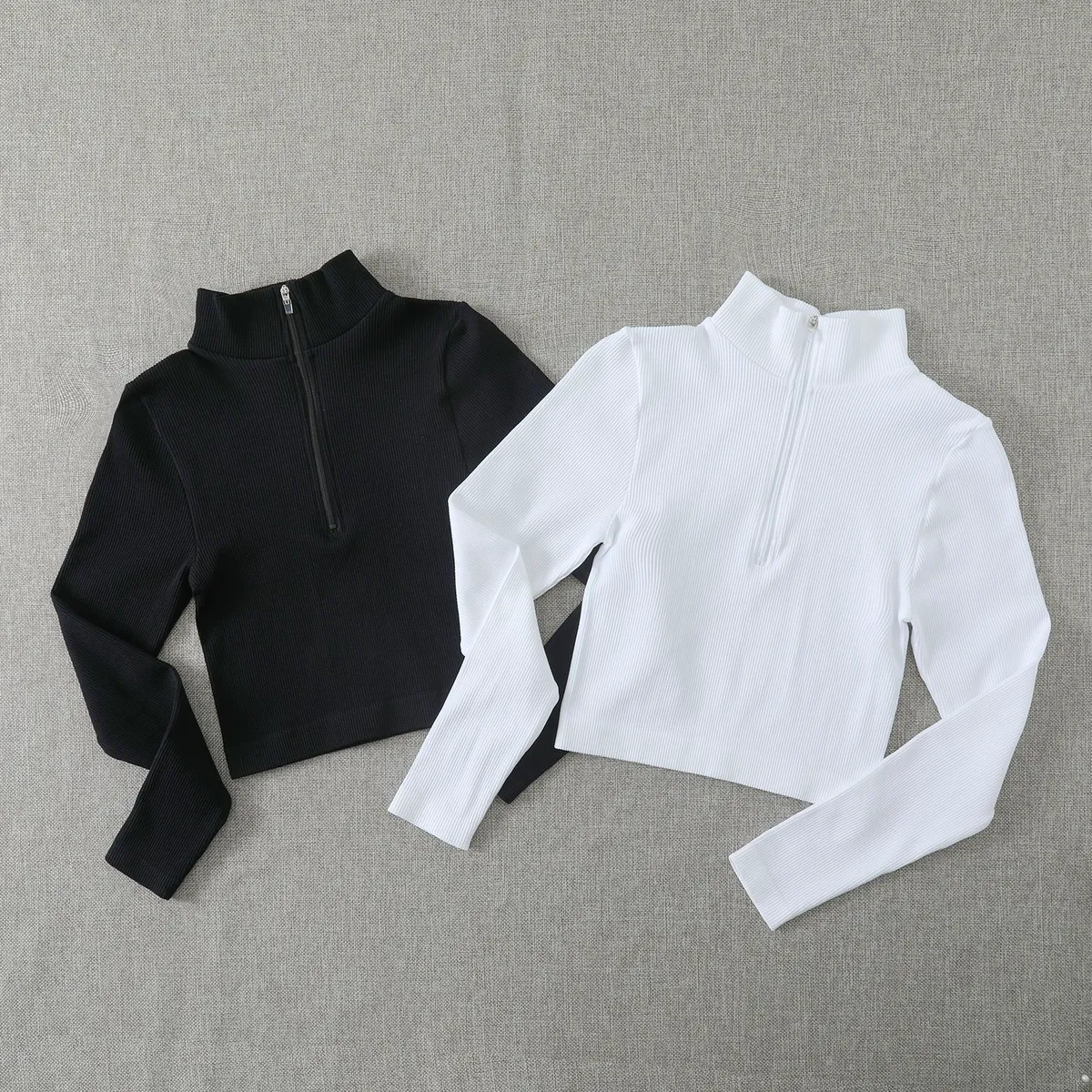
Understand the cost structure
Yarn, knitting, dyeing, finishing, labour, packaging and overhead each respond differently to negotiation.
It is one of the few areas where a modest investment in development removes a large volume of after-sales work.
Legitimate savings
Consolidating colours, increasing volumes, simplifying construction and accepting standard finishes all reduce cost honestly.
Write the requirement into the fabric specification as a numeric range with the test method named, so buyer and mill measure the same thing.
- Ask for a separate price line for the requirement
- Confirm minimum quantities before committing the colourway
- Build one extra approval round into the calendar
Where cuts damage quality
Reduced GSM, lower elastane content or cheaper trims produce returns that cost more than the saving.
Include the parameter in the pre-production meeting so the whole team understands what will be checked.
Long-term agreements
Volume commitments and stable forecasts are worth more to a mill than a one-off price reduction.
Include the same test in the pre-production approval checklist to avoid testing after the goods are shipped.
- Confirm the numeric range and the test method in the specification
- Keep an approved physical standard at the machine
- Retest after the agreed care regime before shipping
Documentation
Record the agreed cost breakdown, so later changes can be priced transparently rather than renegotiated entirely.
Where volumes are modest, consider consolidating colours or constructions to reach an economical run length.
Summary
A clear specification, a trained operator and a documented test together remove most of the risk from this part of the programme.




