Production Capacity Booking: Securing Machines in Peak Season
Capacity is finite, and brands that book late pay more and receive less flexibility when something goes wrong.
This article sets out what the requirement involves, how to specify it and how to verify it before bulk production.
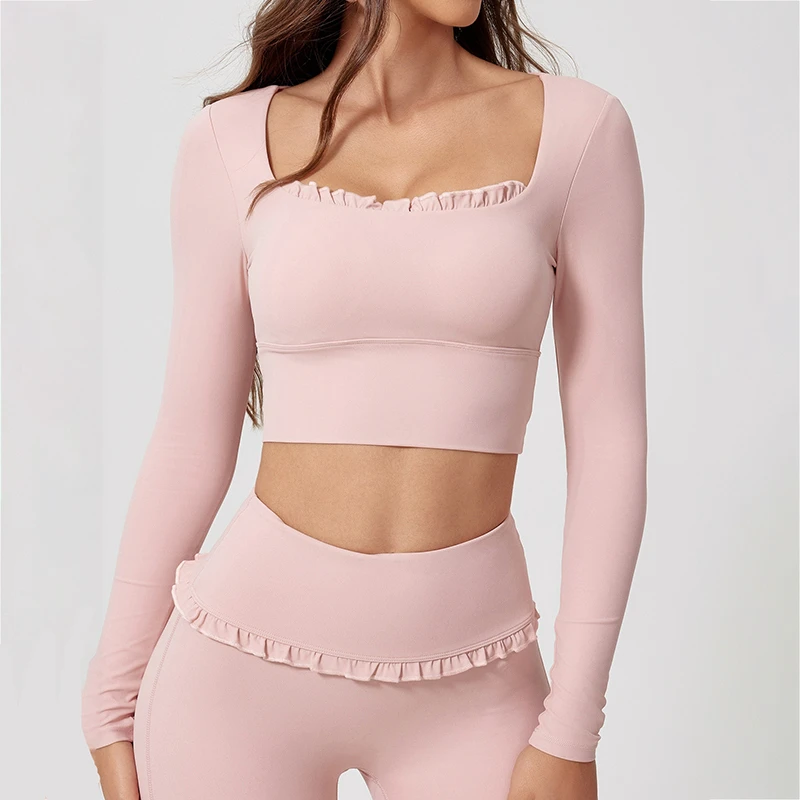
How capacity is allocated
Mills plan knitting, dyeing and sewing lines by customer, with confirmed orders taking precedence over forecasts.
Well-handled, this becomes a selling point that customers can actually perceive rather than a technical footnote.
Peak season dynamics
Demand clusters before spring and autumn retail windows, so lead times extend sharply without early booking.
Fix the limits for the whole size range, not only for the middle size, as grading changes the numbers involved.
- Record settings and raw material lots for every approved production run
- Check in-process rather than relying on final inspection
- Escalate deviations the same day they appear
Forecast versus commitment
Rolling forecasts help scheduling, but only firm orders with deposits reserve actual machine time.
Plan a trial run before the main order so the settings can be validated on real production equipment.
Flexibility clauses
Negotiate capacity options and quantity tolerance windows while demand is still soft.
Where results are borderline, decide in advance whether to accept, re-test or negotiate, rather than arguing later.
- Ask for a separate price line for the requirement
- Confirm minimum quantities before committing the colourway
- Build one extra approval round into the calendar
Risk mitigation
Splitting orders across two suppliers reduces the impact of a single capacity or quality failure.
Agree how changes will be priced before the order starts, which avoids difficult conversations mid-production.
Summary
Handled early, the requirement costs little and protects the launch date; handled late, it becomes an argument about responsibility.




