Garment Washing and Finishing: Effects on Hand Feel and Shrinkage
Garment washing adds softness and character, but it also changes dimensions, colour and performance claims on the finished product.
This guide explains the underlying principle, the numbers that matter and the checks that keep results consistent.
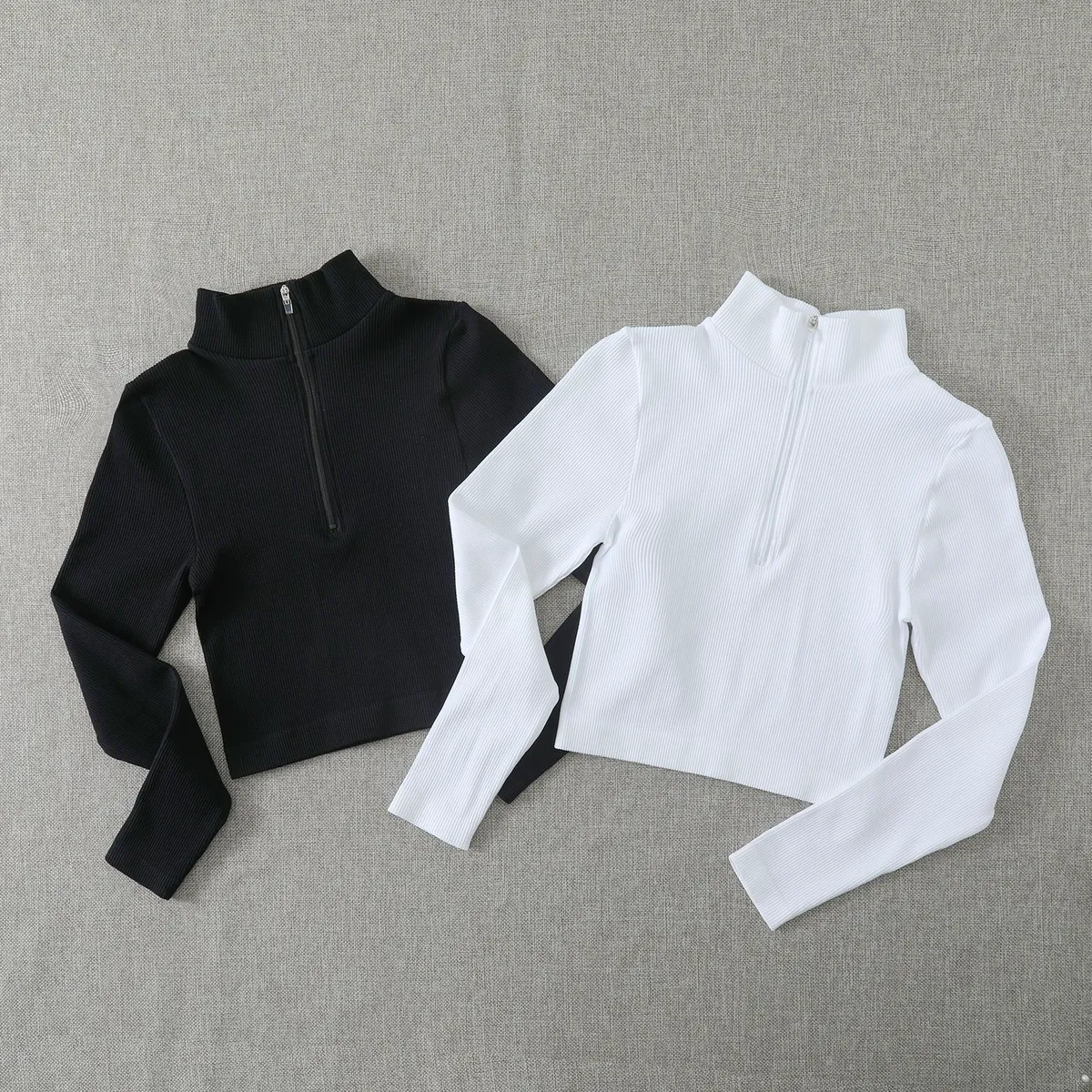
Common wash processes
Softening, enzyme, silicone, acid and stone washes each deliver a different surface and hand feel.
Well-handled, this becomes a selling point that customers can actually perceive rather than a technical footnote.
Shrinkage consequences
Washing relaxes the garment, so dimensions must be measured after the wash rather than before.
Record the measurement conditions alongside the target, including conditioning, sample size and number of test specimens.
- Ask for a separate price line for the requirement
- Confirm minimum quantities before committing the colourway
- Build one extra approval round into the calendar
Colour and fastness effects
Garment washing can shift shade and reduce fastness, so approval must be done on the washed piece.
Record the machine settings for each approved lot, so a repeat order can be reproduced rather than re-invented.
Performance claims
Wicking and water repellent finishes may be affected, so test them after the garment wash process.
Share the results with the mill, since transparency usually shortens the path to a workable solution.
- Confirm the numeric range and the test method in the specification
- Keep an approved physical standard at the machine
- Retest after the agreed care regime before shipping
Reproducibility
Record bath ratio, temperature, time, chemistry and machine load, because hand feel is otherwise impossible to repeat.
Compare quotations on the same specification, otherwise the cheapest offer usually reflects a lower requirement.
Summary
A clear specification, a trained operator and a documented test together remove most of the risk from this part of the programme.




