Marker Planning and Cutting Stretch Knits: Reducing Waste and Distortion
Stretch knits cut badly produce twisted, mismatched garments, and the loss shows up in both fabric consumption and customer complaints.
This article sets out what the requirement involves, how to specify it and how to verify it before bulk production.
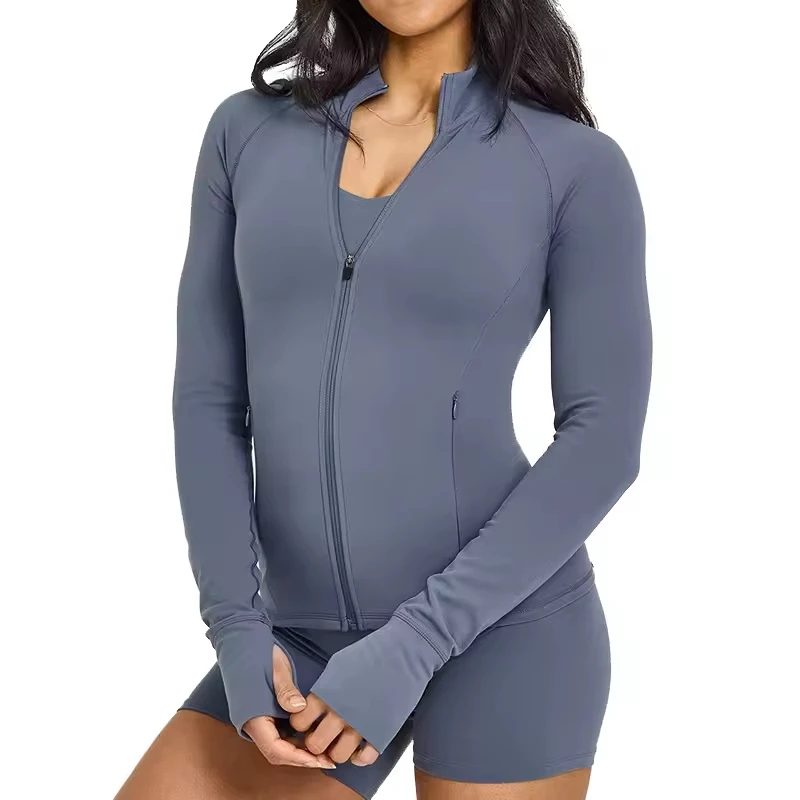
Relaxation before cutting
Fabric must be relaxed and rested first, otherwise panels shrink after cutting and the garment measures short.
Brands that treat it as a design input rather than a purchasing detail consistently achieve better sell-through.
Marker efficiency
Nesting sizes and rotating pieces raises utilisation, but the piece direction must still respect the stretch axis.
Fix the limits for the whole size range, not only for the middle size, as grading changes the numbers involved.
- Confirm the numeric range and the test method in the specification
- Keep an approved physical standard at the machine
- Retest after the agreed care regime before shipping
Cutting methods
Straight knives, die cutting and automated cutting each suit different volumes and fabric weights.
Train operators on what the parameter looks like when it is wrong, since most defects are visible long before testing.
Ply management
Limiting plies reduces distortion on very elastic fabrics and keeps bundles matched for shade.
Track results over several seasons, because a slow drift is easier to correct than a sudden failure.
- Request test reports on production fabric, not on development samples
- Verify the sampling plan and the number of specimens
- Store reports with roll or lot identification for traceability
Consumption control
Compare planned and actual consumption per style monthly, because small marker gains accumulate into real savings.
Expect the cost and lead time implications to appear in sampling and capacity booking rather than in the yarn price alone.
Summary
Used as a checklist in development and again before shipment, the points above prevent the most common and most expensive failures.




