Brushed and Anti-Pilling Fleece: Managing Fibre Shedding
Brushing creates warmth and softness, but poorly controlled brushing produces pilling, shedding and a short garment life.
This article sets out what the requirement involves, how to specify it and how to verify it before bulk production.
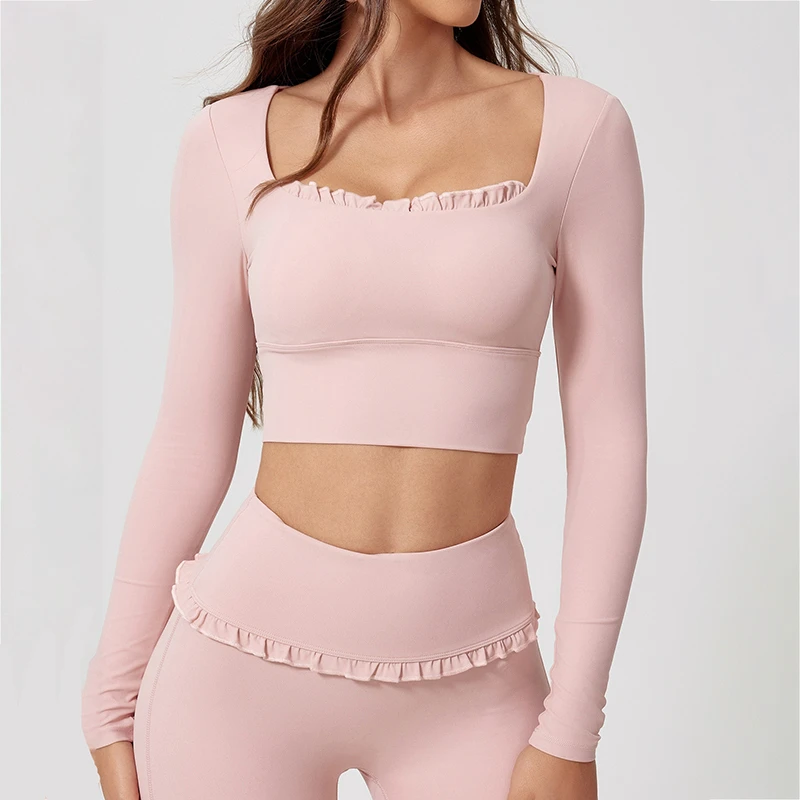
What brushing does
Rotating wire rollers raise fibre ends from the knit surface to create a soft, insulating pile.
Experience shows that small specification decisions here have an outsized effect on the customer experience.
Pilling mechanism
Short fibres work loose during wear, tangle into pills and stay attached until abrasion removes them.
Where a standard exists, name the standard number, since a value without a method cannot be verified by a third party.
- Record settings and raw material lots for every approved production run
- Check in-process rather than relying on final inspection
- Escalate deviations the same day they appear
Anti-pilling routes
Tighter yarn twist, longer staple fibres, lower brushing intensity and anti-pilling finishes all reduce pilling.
Train operators on what the parameter looks like when it is wrong, since most defects are visible long before testing.
Testing pilling
Martindale or ICI pilling box testing to grade 4 or better is the usual acceptance criterion for fleece.
Use a reference material alongside the sample so results can be interpreted if the laboratory changes.
- Ask for a separate price line for the requirement
- Confirm minimum quantities before committing the colourway
- Build one extra approval round into the calendar
Microfibre shedding
Shedding in the wash is now a sustainability concern, so fibre-loss testing is increasingly requested by buyers.
Discuss the minimum order quantity with the yarn or process supplier before committing the style to the range.
Summary
Handled early, the requirement costs little and protects the launch date; handled late, it becomes an argument about responsibility.




