Dancewear and Gymnastics Apparel: Fit, Stretch and Coverage
Dancewear is worn against the skin and moves through extreme ranges, so stretch recovery and coverage are non-negotiable.
What follows is a practical breakdown for sourcing and development teams, from specification through to verification.
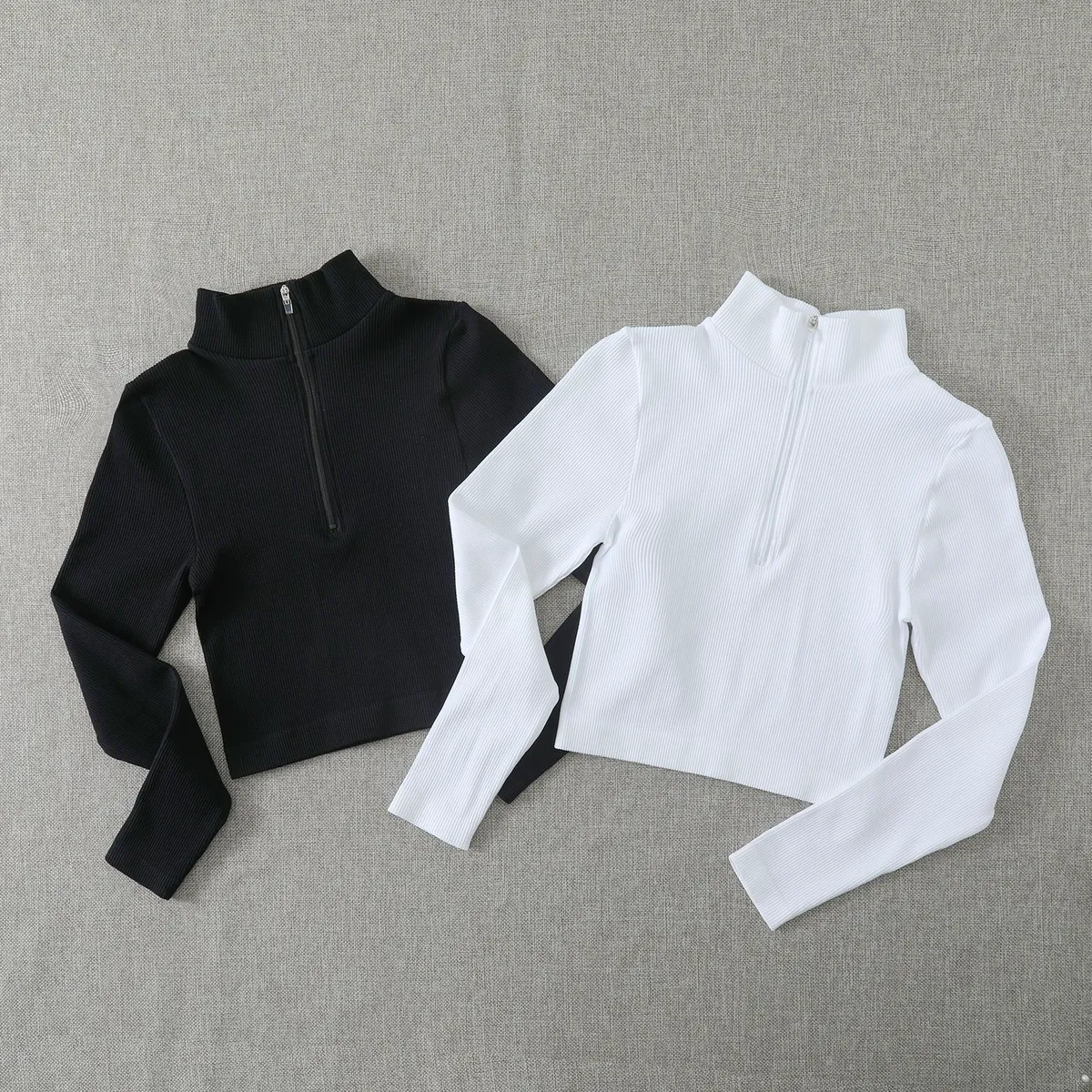
Fabric specification
Nylon-spandex or polyester-spandex at 180 to 240 GSM with 20 to 30 percent elastane supports extreme movement.
Because it touches comfort, appearance and durability at the same time, it is worth planning deliberately.
Coverage and opacity
Lining and denser knits prevent show-through during stretching and inverted positions.
Record the measurement conditions alongside the target, including conditioning, sample size and number of test specimens.
- Ask for a separate price line for the requirement
- Confirm minimum quantities before committing the colourway
- Build one extra approval round into the calendar
Seam and edge finishing
Flatlock, elasticated bindings and low-bulk hems keep the garment comfortable on bare skin.
Record the machine settings for each approved lot, so a repeat order can be reproduced rather than re-invented.
Design and decoration
Mesh inserts, mesh panelling and foil prints must survive frequent washing and stretching.
Use a reference material alongside the sample so results can be interpreted if the laboratory changes.
- Confirm the numeric range and the test method in the specification
- Keep an approved physical standard at the machine
- Retest after the agreed care regime before shipping
Testing focus
Stretch recovery, seam strength, colour fastness to perspiration and appearance after repeated washing.
Keep a buffer in the schedule for one additional approval round, because most programmes use it.
Summary
A clear specification, a trained operator and a documented test together remove most of the risk from this part of the programme.




