Sun Protection Shirts: UPF 50 With Printing and Comfort
Sun shirts sell on a verifiable UPF claim while still needing to feel light, print well and dry fast in humid conditions.
Below is a working summary of the key decisions, the values worth writing down and the tests that confirm performance.
Fabric routes to UPF 50
Polyester-rich knits or tight wovens with darker colours reach high protection without a heavy weight.
It rarely appears on a packaging claim, yet it shapes how the garment feels in the first hour of wear.
Print considerations
Sublimation on polyester keeps print durability and UPF intact, whereas pigment prints may reduce protection.
Record the measurement conditions alongside the target, including conditioning, sample size and number of test specimens.
- Confirm the numeric range and the test method in the specification
- Keep an approved physical standard at the machine
- Retest after the agreed care regime before shipping
Comfort features
Ventilation panels, mesh backs and cooling yarns reduce heat build-up in humid climates.
In production, consistency matters more than the best single result, because batch-to-batch variation is what customers notice.
Construction for coverage
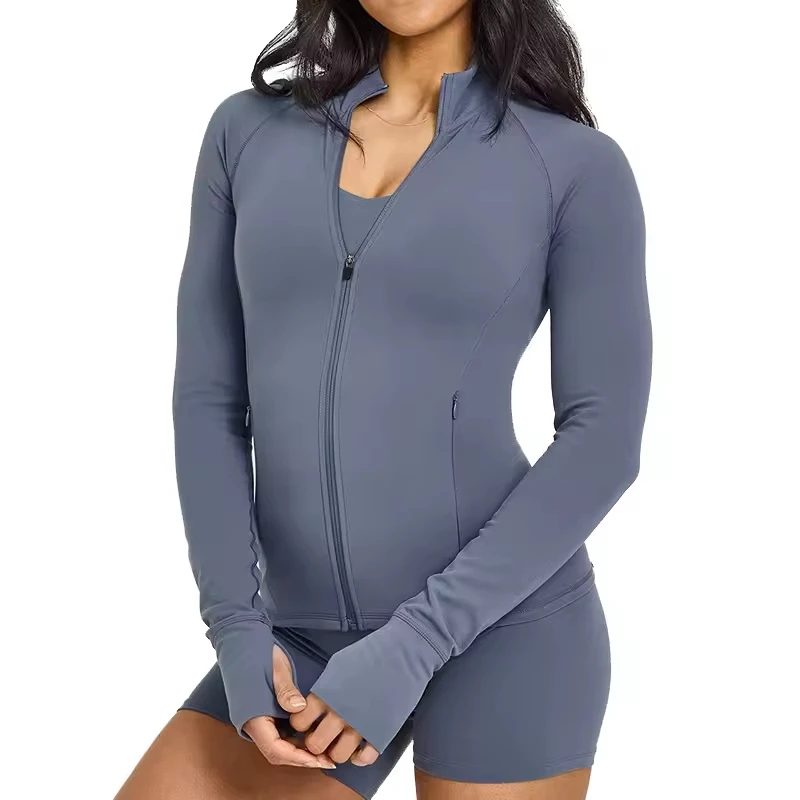
Long sleeves, higher collars and thumbholes increase real coverage beyond the fabric rating.
Keep reports on file with the sample identification, so results can be traced back to a specific roll or batch.
- Request test reports on production fabric, not on development samples
- Verify the sampling plan and the number of specimens
- Store reports with roll or lot identification for traceability
Verification and labelling
Test UPF dry, wet and stretched, and state the standard used on the label and the website.
Document what is included in the price, including testing, packing and documentation, to keep comparisons fair.
Summary
Used as a checklist in development and again before shipment, the points above prevent the most common and most expensive failures.




