One-Piece Swimsuits: Fit, Lining and Modesty Engineering
A one-piece must hold shape in water, stay opaque and fit a wide size range, all with a fabric that is under constant tension.
What follows is a practical breakdown for sourcing and development teams, from specification through to verification.
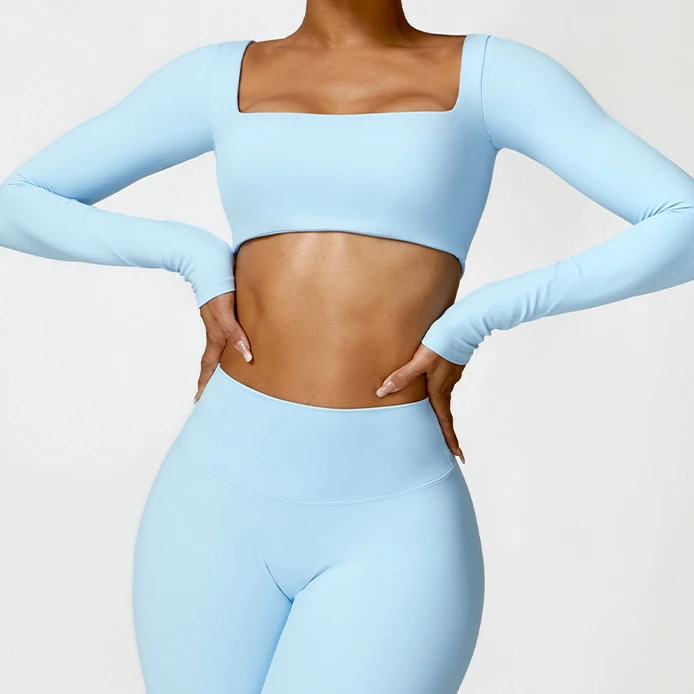
Fabric and elastane
Chlorine-resistant elastane at 18 to 22 percent with a stable knit gives the recovery a swimsuit needs.
It also reduces the risk of a mid-season change, which is where both cost and calendar damage usually originate.
Lining strategy
Full front lining protects modesty; double lining and higher density reduce transparency in pale shades.
Write the requirement into the fabric specification as a numeric range with the test method named, so buyer and mill measure the same thing.
- Request test reports on production fabric, not on development samples
- Verify the sampling plan and the number of specimens
- Store reports with roll or lot identification for traceability
Fit and torso length
Torso length grading matters more than bust or hip on one-piece styles, so measure it explicitly in the size chart.
Log adjustments and their reasons, which turns each production run into useful data for the next one.
Construction choices
Bonded or flat seams reduce bulk, while elasticated openings resist gaping during movement.
Share the results with the mill, since transparency usually shortens the path to a workable solution.
- Agree tolerances in writing before the first sample is made
- Define the measurement condition and the direction measured
- Review the limit each season against real performance data
Testing in water
Wet stretch, opacity in the stretched state and chlorine resistance should all be verified before approval.
Book capacity early where the requirement needs a specific machine or a specialised process.
Summary
The technical content is straightforward. The discipline lies in writing it down, testing it on production fabric and repeating the result on the next order.




