Lining Fabrics for Sportswear: Weight, Slip and Breathability
A lining that is too heavy, too slippery or too dense quietly ruins the performance of an otherwise well-designed garment.
Below is a working summary of the key decisions, the values worth writing down and the tests that confirm performance.
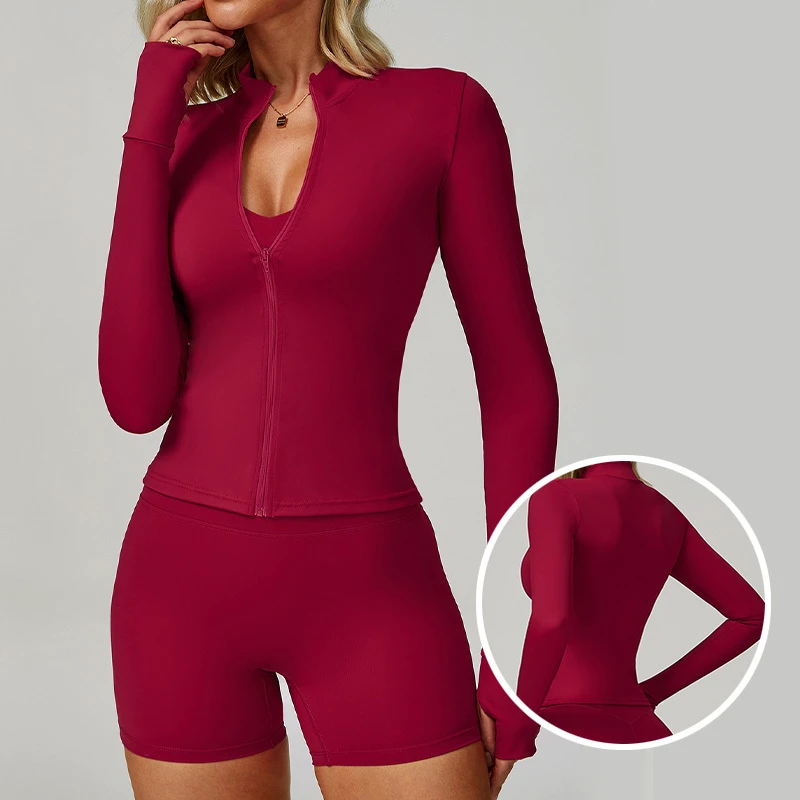
Purpose of a lining
Lining provides opacity, comfort, structure and a smooth layer that helps the garment slide on and off.
In practice the goal is predictability: the same result on the first order and on the fifth reorder.
Weight and breathability balance
Light tricot and mesh linings at 50 to 90 GSM add comfort without blocking ventilation.
Add the value to the pre-production sample approval sheet so it is checked before bulk rather than after shipment.
- Record settings and raw material lots for every approved production run
- Check in-process rather than relying on final inspection
- Escalate deviations the same day they appear
Material choices
Polyester tricot, nylon mesh and knitted jersey linings each suit different outer fabrics and price points.
Include the parameter in the pre-production meeting so the whole team understands what will be checked.
Shrinkage matching
Lining and shell must shrink similarly, otherwise the lining pulls and distorts the outer silhouette.
Keep reports on file with the sample identification, so results can be traced back to a specific roll or batch.
- Ask for a separate price line for the requirement
- Confirm minimum quantities before committing the colourway
- Build one extra approval round into the calendar
Testing and inspection
Check shrinkage, colour fastness and burst strength, and confirm the lining does not show through light shells.
Agree how changes will be priced before the order starts, which avoids difficult conversations mid-production.
Summary
Handled early, the requirement costs little and protects the launch date; handled late, it becomes an argument about responsibility.




