Air-Jet Textured Yarn (ATY) for Soft, Matte Activewear Fabrics
ATY creates loops and bulk in the filament, giving a cotton-like matte surface and a softer hand than flat filament yarn.
The practical guidance below is written for buyers and product developers who need a specification that a mill can meet.
How the texturing process works
High-pressure air jets entangle filaments into loops, producing bulk and a matte appearance without false twist.
Brands that treat it as a design input rather than a purchasing detail consistently achieve better sell-through.
Hand feel and appearance benefits
ATY fabrics look less shiny than FDY knits and feel warmer, which suits lifestyle activewear and yoga ranges.
Record the measurement conditions alongside the target, including conditioning, sample size and number of test specimens.
- Confirm the numeric range and the test method in the specification
- Keep an approved physical standard at the machine
- Retest after the agreed care regime before shipping
Specification and consistency
Fix the loop stability, instability value and bulk recovery, because poorly textured yarn collapses after dyeing.
Review machine maintenance schedules, because worn parts change results gradually and are easily missed.
Common defects
Air marks, slubs and inconsistent bulk appear when jet pressure or yarn speed drifts during texturing.
Repeat the test when the fabric, the mill or the finishing route changes, as previous results no longer apply.
- Request test reports on production fabric, not on development samples
- Verify the sampling plan and the number of specimens
- Store reports with roll or lot identification for traceability
Best end uses
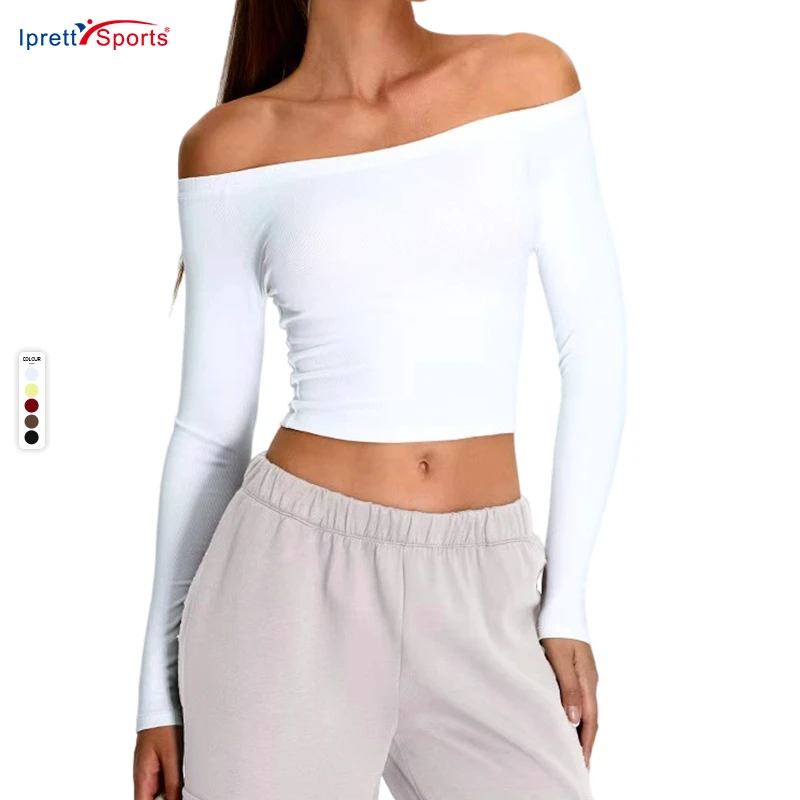
Use ATY for hoodies, joggers, casual tops and any product where a matte, natural look is the design intent.
Where volumes are modest, consider consolidating colours or constructions to reach an economical run length.
Summary
Used as a checklist in development and again before shipment, the points above prevent the most common and most expensive failures.




