Seamless Circular Knitting: Design Freedom and Production Limits
Seamless knitting removes seams and chafing, but machine gauge, size range and minimum quantities shape what is commercially possible.
Below is a working summary of the key decisions, the values worth writing down and the tests that confirm performance.
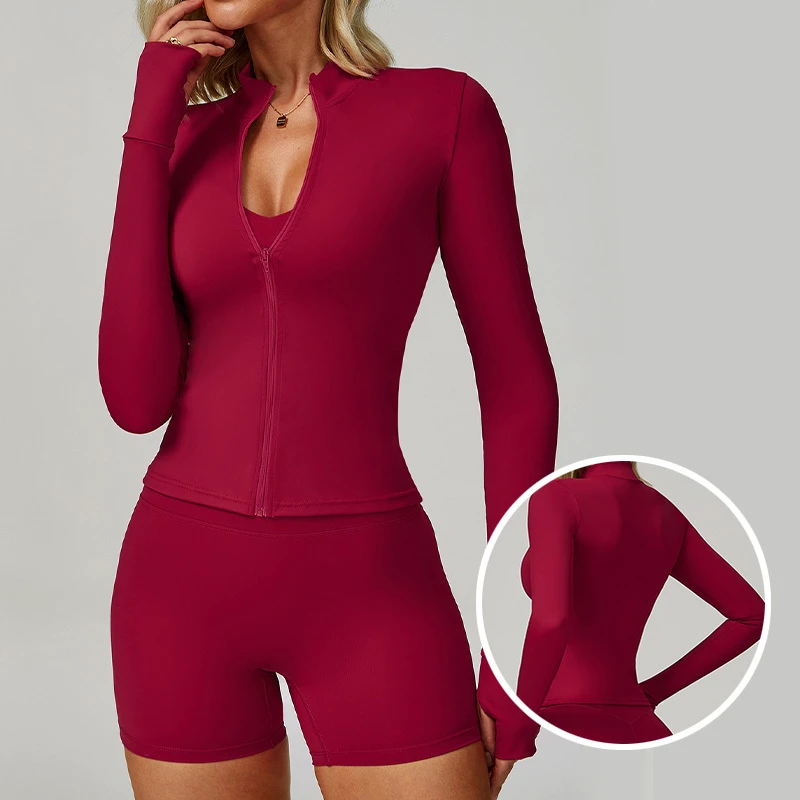
How seamless garments are made
Small-diameter circular machines knit a tube shaped by electronic needle selection into a garment form.
Because it touches comfort, appearance and durability at the same time, it is worth planning deliberately.
Gauge and product mapping
Fine gauges suit briefs and linings, medium gauges suit sports bras, and coarse gauges suit outer tops.
Record the measurement conditions alongside the target, including conditioning, sample size and number of test specimens.
- Record settings and raw material lots for every approved production run
- Check in-process rather than relying on final inspection
- Escalate deviations the same day they appear
Design possibilities
Support zones, mesh ventilation and knitted logos are created by changing stitch structure, not by adding panels.
Log adjustments and their reasons, which turns each production run into useful data for the next one.
Commercial constraints
Machine time per piece is longer and colour minimums are higher, typically five hundred to a thousand pieces.
Repeat the test when the fabric, the mill or the finishing route changes, as previous results no longer apply.
- Ask for a separate price line for the requirement
- Confirm minimum quantities before committing the colourway
- Build one extra approval round into the calendar
Quality control focus
Needle lines, tension bands and dimensional stability after washing dominate the inspection checklist.
Document what is included in the price, including testing, packing and documentation, to keep comparisons fair.
Summary
Handled early, the requirement costs little and protects the launch date; handled late, it becomes an argument about responsibility.




