Four-Way Stretch Knits: Engineering Movement in Both Directions
Four-way stretch is not simply more stretch: it is controlled elongation in both directions without loss of recovery or opacity.
This article sets out what the requirement involves, how to specify it and how to verify it before bulk production.
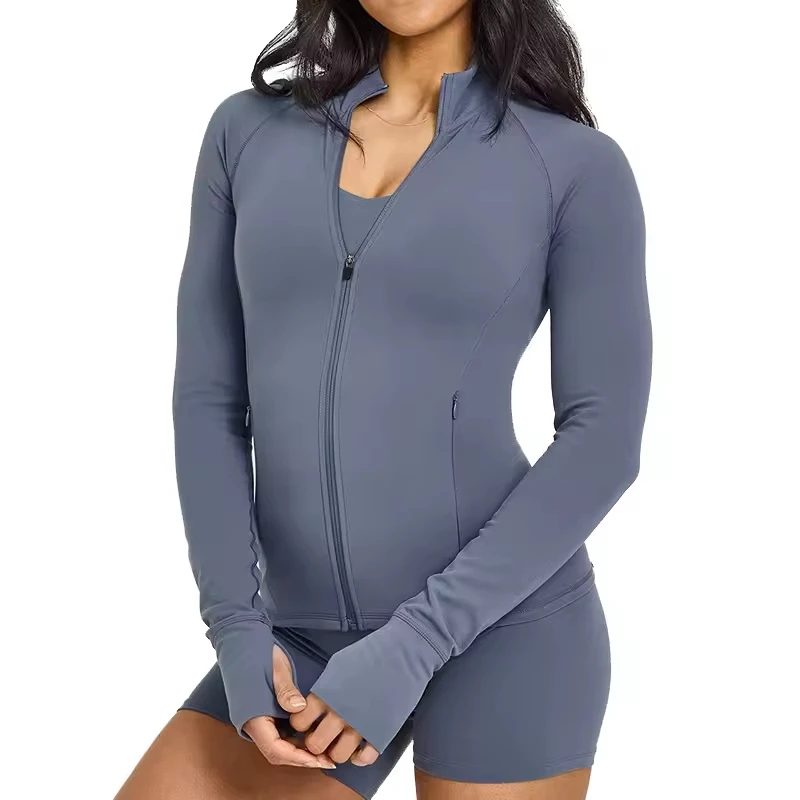
Direction of stretch
Two-way stretch elongates mainly across the width, while four-way stretch also elongates along the length of the roll.
The difference between a good and a poor result is usually decided long before the first bulk roll is cut.
How it is achieved
Circular machines combined with elastane and specific stitch structures create stretch in both directions.
Write the requirement into the fabric specification as a numeric range with the test method named, so buyer and mill measure the same thing.
- Confirm the numeric range and the test method in the specification
- Keep an approved physical standard at the machine
- Retest after the agreed care regime before shipping
Specifying elongation
State elongation and growth values for both directions at a fixed load, and specify recovery after cycling.
Where several lines produce the same style, align settings across lines before the order starts.
Opacity protection
Higher stitch density and adequate GSM keep the fabric opaque even when fully stretched.
Verify with an accredited test on production fabric rather than a development sample, and repeat the test after laundering.
- Request test reports on production fabric, not on development samples
- Verify the sampling plan and the number of specimens
- Store reports with roll or lot identification for traceability
Garment construction
Patterns and seams must allow the fabric to extend without strain, or seams will fail before the fabric does.
Review the requirement annually against market prices, as the cost of some materials moves faster than others.
Summary
Used as a checklist in development and again before shipment, the points above prevent the most common and most expensive failures.