Tricot and Warp Knit Fabrics: Stability and Smooth Surfaces
Warp knitting delivers a stable, smooth and low-curl fabric that is ideal for linings, swim and technical laminates.
What follows is a practical breakdown for sourcing and development teams, from specification through to verification.
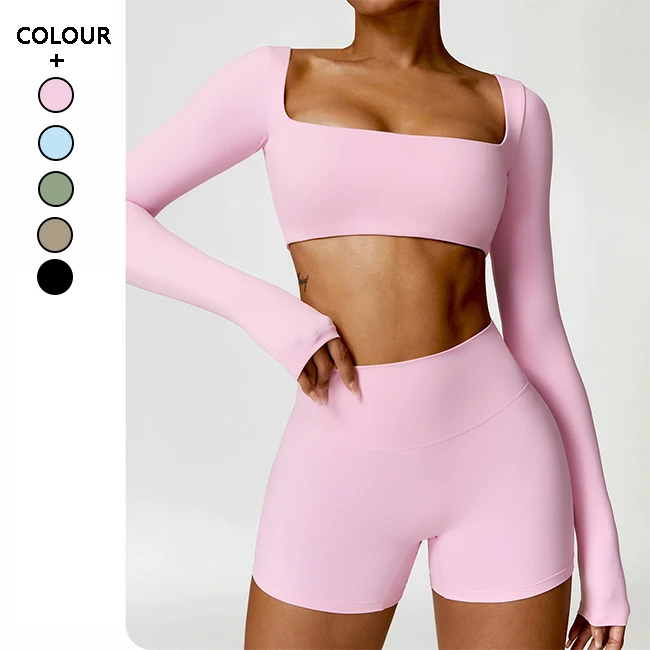
How warp knitting differs
Loops are formed along the length of the fabric from many yarns, giving high productivity and dimensional stability.
Experience shows that small specification decisions here have an outsized effect on the customer experience.
Performance characteristics
Warp knits resist laddering, hold shape and offer smooth surfaces for printing, bonding and lamination.
Add the value to the pre-production sample approval sheet so it is checked before bulk rather than after shipment.
- Ask for a separate price line for the requirement
- Confirm minimum quantities before committing the colourway
- Build one extra approval round into the calendar
Typical constructions
Tricot, locknit and satin structures in 60 to 200 GSM for linings, swimwear and outer shells.
Keep a physical standard at the machine so operators compare against the approved sample rather than memory.
Stretch options
Adding elastane produces warp knits with controlled two-way stretch for sportswear and swim.
Ask the laboratory to state the sample condition, including whether the specimen was wet, stretched or conditioned.
- Confirm the numeric range and the test method in the specification
- Keep an approved physical standard at the machine
- Retest after the agreed care regime before shipping
Why finishing matters
Heat setting after knitting fixes the structure; skipping it causes distortion and unstable dimensions.
Document what is included in the price, including testing, packing and documentation, to keep comparisons fair.
Summary
A clear specification, a trained operator and a documented test together remove most of the risk from this part of the programme.




