
Kettle Sport Japan: Sports Dress Built on Recycled Polyester/Spandex Brush Back Fleece
Kettle Sport, based in Japan, needed a sports dress that delivered abrasion resistance for daily wear without moving away from a clean, commercial silhouette. The finished fabric was Recycled Polyester/Spandex Brush Back Fleece.
Project brief and fabric selection
The fabric selected combines Brush Back Fleece (raised reverse surface) with rPET from bottles with elastane, giving GRS traceable recycled content. Construction is raised reverse surface at 260-320 GSM. The brief also asked for plus short brushing cycle. Each lot was checked against ASTM D4966 abrasion before cutting began.
Construction and fit decisions
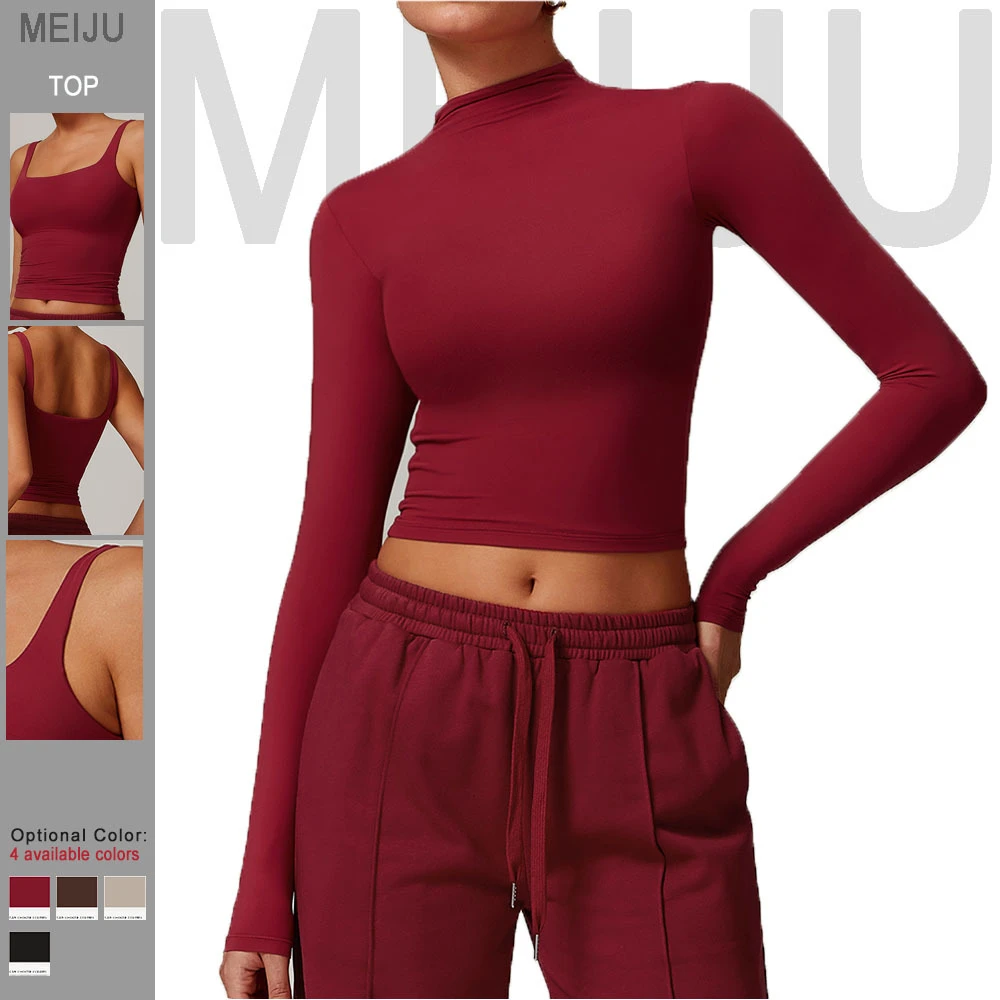
Pattern and construction were adjusted around the chosen fabric: seam placement moved away from high-friction areas, stitch density was matched to the elastane content, and the fit block was revised once the first wear trial showed the panel tension distribution. The development brief set the outcome as the fabric passed 25000 Martindale cycles without yarn break.
Dyeing and finishing approach
Finishing was limited to processes that support abrasion resistance for daily wear. Soft handle came from construction rather than heavy softening, which keeps performance stable through repeated washing. Consistency between repeat lots mattered more to Kettle Sport than an isolated best result.
Measured results
Measured outcome: the fabric passed 25000 Martindale cycles without yarn break, verified by ASTM D4966 abrasion. Size sets were checked after five home washes to confirm that dimensional change stayed inside the agreed tolerance before bulk release. Fabric Recycled Polyester/Spandex Brush Back Fleece supplied the base behaviour for abrasion resistance for daily wear.
Repeat order performance
The style moved to repeat orders after two seasons. Bulk fabric is now booked against a fixed recipe, with test reports issued per lot, and the Brush Back Fleece construction is used for additional colourways in the same programme. The Japan market requires documentation, so reports shipped with every lot.




